
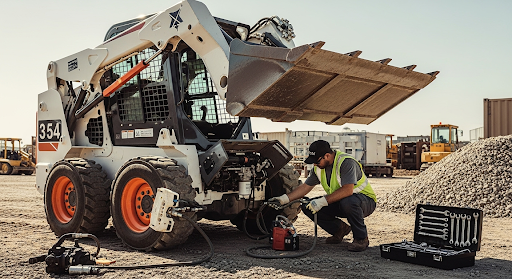
Why Skid Steer Maintenance Matters
It’s easy to overlook the daily grind of machine care until a job site grinds to a halt. Skid steers, whether they’re pushing dirt on a construction site or clearing brush on a farm, are only as reliable as the attention they get. Industry reports keep repeating the same story: most catastrophic failures trace back to skipped checks or stretched service intervals.
And yet, the temptation to cut corners is everywhere. Some believe a little neglect won’t hurt, but the numbers say otherwise. Operators who stick to a maintenance plan don’t just get more years out of their machines; they also dodge the worst repair bills and keep everyone safer. Still, is any plan truly foolproof? The debate continues.
Some say there’s a secret formula to keeping a skid steer humming along for years, but the reality? It’s a patchwork of habits, checklists, and a little bit of luck.
Skid Steer Running Perfectly
A maintenance routine isn’t glamorous, but it’s the closest thing to insurance a skid steer will ever get. The following tips are widely recommended, but even experts disagree on which matters most. Here’s what the manuals and mechanics keep repeating, though real-world results can vary.
1. Daily Fluid Checks
Fluids are the unsung heroes of machine health. Skipping a check can turn a minor issue into a full-blown crisis overnight. Yet, some operators gamble and win, until they don’t.
Engine Oil: This stuff keeps everything moving smoothly. The dipstick tells the story: if the oil’s dark or gritty, it’s time for a change. Low or dirty oil? That’s a recipe for engine trouble.
Hydraulic Fluid: The lifeblood of lift arms and attachments. Check the reservoir and sight gauge. Any sign of contamination or foaming could mean a leak or air in the system. Using the wrong fluid? That’s a headache waiting to happen.
Coolant and Fuel: Coolant keeps things cool (obviously), and clean fuel keeps the engine from sputtering. Always check levels and look for leaks. Water in the fuel separator? Drain it, or risk a rough day.
But even with all these checks, breakdowns still happen. Is it bad luck, or just the nature of heavy equipment?
2. Inspect and Clean Air Filters
Air filters are easy to forget until the engine starts wheezing. Some say a dirty filter is harmless, but the evidence points the other way.
Signs of Clogged Filters: Reduced power, black smoke, odd noises. Dusty job sites? Filters clog up fast.
Cleaning vs. Replacement: Some filters can be cleaned, others tossed. Manufacturer’s rules apply, but not everyone follows them. Ignore this step, and engine repairs might be in the cards.
Still, some machines seem to run forever on neglected filters. Coincidence, or just luck?
3. Tire and Track Care
Tires and tracks take a beating. Ignore them, and the machine’s stability goes out the window. Yet, plenty of operators roll the dice on worn treads.
Checking Pressure and Tension: Use a gauge, don’t guess. Tracked models need their tension checked, too. Both overinflation and underinflation spell trouble.
Spotting Wear and Damage: Cuts, punctures, and missing lugs are warning signs. Tracks with slack or missing links? Fix them before they fail.
But even the best-maintained tires can blow out at the worst moment. Is it preventable, or just part of the job?
4. Lubricate All Moving Parts
Grease is cheap. Repairs aren’t. Skipping lubrication is a classic mistake, but it happens more than anyone admits.
Grease Points and Frequency: The owner’s manual lists them all, but some are easy to miss. High-use machines need more frequent greasing.
Commonly Missed Areas: Attachment couplers, lift arm pivots, cylinder pins; these spots get overlooked and then wear out fast.
Still, some machines seem to defy the odds, running smoothly despite missed grease jobs. How long can that last?
5. Inspect Hydraulic Lines and Hoses
Hydraulic leaks are sneaky. A tiny drip can turn into a major failure overnight. Some say it’s just part of owning a skid steer, but most breakdowns are preventable.
Detecting Leaks and Weak Points: Wet spots, cracks, and bulges, none of which are good. Even small leaks sap performance.
Preventing Hydraulic Failures: Replace damaged hoses right away. Only use approved parts. Loose connections? Tighten them, or risk a shutdown.
Yet, even with perfect care, hydraulic issues can pop up. Is it the parts, the operator, or just bad timing?
6. Clean the Machine Thoroughly
Dirt is more than a nuisance; it’s a silent saboteur. Some operators swear by daily cleaning, while others see it as a waste of time.
Engine Compartment and Undercarriage: Mud, leaves, debris, get rid of them after every use. Cooling fins and fan blades need special attention.
Preventing Overheating and Corrosion: Clean machines run cooler and rust less. Winter brings salt and chemicals, which speed up corrosion.
But even spotless machines can develop problems. Is cleaning overrated, or just not enough?
7. Safety and Control Checks
Safety features are easy to take for granted until something goes wrong. Some believe these checks are overkill, but accident reports say otherwise.
Testing Backup Alerts and Displays: Warning lights, alarms, display panels, test them all. Faulty sensors? Replace them before they’re needed.
Seat Belts and Operator Controls: Frayed belts, sticky levers, sluggish pedals, these are all red flags.
Still, even the most careful checks can’t prevent every mishap. Is it possible to make a machine truly foolproof?
8. Keep a Maintenance Log
Logs are the unsung heroes of machine ownership. Some operators keep meticulous records, others scribble notes on scraps of paper, or not at all.
What to Record: Every inspection, fluid change, repair, and replacement. Dates, hours, observations, the more detail, the better.
Benefits for Resale and Repairs: A thorough log can boost resale value and help technicians diagnose issues. But even the best logs can’t predict every breakdown.
Is record-keeping the secret to longevity, or just another chore?
Common Skid Steer Maintenance Mistakes
Mistakes happen, even to the pros. The list below highlights the usual suspects, but the real world is messier than any checklist.
- Skipping daily checks: Small issues snowball fast.
- Ignoring minor leaks or noises: These are often the first sign of bigger trouble.
- Using non-OEM parts: Off-brand components might not fit or last.
- Not tracking maintenance: Without records, it’s easy to miss service intervals or repeat mistakes.
But some machines seem to survive despite these blunders. Is it luck, or just a matter of time before trouble strikes? For specialized jobs, like stump removal in tight quarters, many turn to a mini stump grinder, which is built for efficiency and minimal ground disturbance.
Seasonal and Advanced Maintenance
Seasons change, and so do maintenance needs. Winter brings its own headaches, while busy periods push machines to their limits. Some operators prep religiously, others wing it.
Pre-winter: Antifreeze, battery, heater, check them all. Snow and salt mean daily undercarriage cleaning.
Pre-busy season: Schedule inspections, swap out worn parts, update the log.
Professional servicing: Manufacturer intervals exist for a reason, but not everyone follows them.
Still, even the best-prepared machines can break down at the worst time. Is there any way to guarantee a trouble-free season?
Skid Steer Maintenance Comparison Table
Every maintenance schedule looks neat on paper, but reality is rarely so tidy. The table below outlines who should do what, and when, but don’t be surprised if things get shuffled around on a busy site.
| Task | Daily | Weekly | Monthly | Seasonal/Annual | Who Should Perform |
| Fluid Checks | ✓ | Operator | |||
| Air Filter Inspection | ✓ | Operator/Technician | |||
| Tire/Track Inspection | ✓ | ✓ | Operator | ||
| Lubrication | ✓ | Operator/Technician | |||
| Hydraulic Line Inspection | ✓ | Operator/Technician | |||
| Cleaning | ✓ | Operator | |||
| Safety/Control Checks | ✓ | Operator | |||
| Professional Servicing | ✓ | Certified Technician |
But does anyone really stick to this schedule? The best intentions can get lost in the rush of daily work.
Maximizing Skid Steer Lifespan: Pro Tips
Some operators swear by advanced diagnostics and regular professional servicing. Others rely on instinct and a good ear for trouble. The truth? Both approaches have their moments.
And when it comes to expanding a machine’s capabilities, choosing the right mini skid steer attachments from top brands like Skid Steer Store can make all the difference. But sourcing parts is another story.
Still, even the best tools and parts can’t guarantee a problem-free run. Is it the operator, the machine, or just the unpredictable nature of the work?
FAQs
What is the 70 30 rule for skid steers?
The so-called 70/30 rule refers to weight distribution, 70% on the rear and 30% up front. Supposedly, this balance helps with turning and reduces engine strain. But in practice, site conditions and attachments can throw those numbers off.
How often should engine oil be changed on a skid steer?
Most manufacturers suggest every 250 operating hours, but that’s just a baseline. Some machines need it sooner, especially in harsh conditions. Manuals are helpful, but real-world intervals can shift depending on use and environment.
What are the signs of hydraulic fluid problems?
Slow or jerky movements, odd noises, visible leaks these are the classic symptoms. But sometimes, issues show up with no warning at all. Low or dirty fluid is a common culprit, but not the only one.
How do you check track tension on a skid steer?
The manual lays out the procedure, usually measuring sag and adjusting as needed. But even with perfect tension, tracks can wear unevenly or fail for other reasons. It’s a moving target.
