
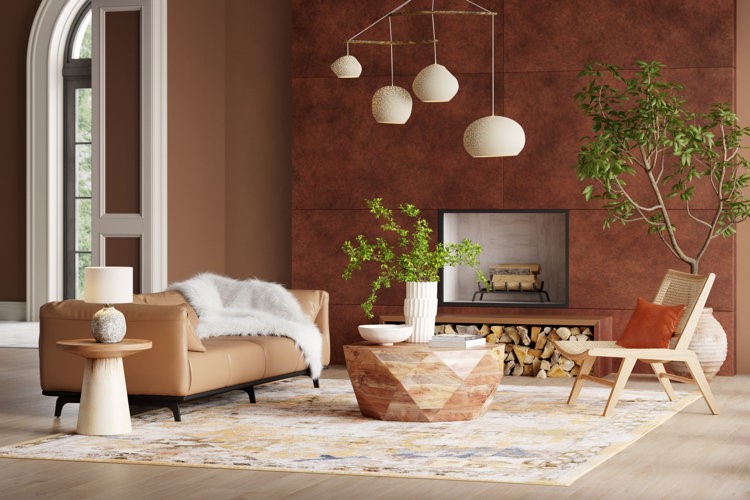
Creating a warm and grounded interior begins with color choices that reflect nature and balance. Designers often turn to the Brown Art Cocolorn to introduce depth without overwhelming minimalist spaces. Earthy neutral palettes support cozy organic atmospheres while complementing timber floors, oak furniture, and woven textures. Brown tones connect seamlessly with natural décor accents such as linen cushions, ceramic vases, and indoor greenery. When selected with care, neutral brown wall art anchors a room and encourages a calm, harmonious mood.
The Psychology of Brown Tones in Interior Spaces
Brown is closely associated with stability, reliability, and comfort in environmental psychology. It mirrors the colors of soil, bark, and stone, which helps interiors feel rooted and secure. Unlike sharper hues, brown reduces visual tension and promotes a steady emotional rhythm. In living areas and bedrooms, this grounded energy fosters relaxation after busy days. Designers frequently use warm brown artwork to introduce subtle richness without disturbing visual balance.
Neutral brown wall art works well because it does not compete for attention. It offers a soft focal point that feels intentional rather than dramatic. When paired with warm lighting, brown tones absorb and reflect light gently, enhancing cosiness. This effect is particularly valuable in climates where natural daylight shifts throughout the year. Thoughtful placement of art can therefore influence how a room feels at different times of day.
Neutral Palettes in Contemporary Minimalist Decor
Minimalist décor relies on restraint and cohesion. A neutral palette built around beige, taupe, and soft brown creates continuity across walls, textiles, and furniture. Brown wall art supports this philosophy because it adds dimension without cluttering visual space. Instead of sharp contrasts, it introduces tonal variation that enriches the setting. The result is an interior that feels curated rather than sparse.
In contemporary homes across the UK and Europe, neutral palettes are often chosen for their longevity. Trends shift quickly, yet earth tones remain consistent and adaptable. Brown art pieces can transition easily between Scandinavian, rustic, or modern schemes. This flexibility makes them a practical investment for homeowners seeking enduring design. A neutral base also allows seasonal décor accents to shine without visual conflict.
Texture plays an essential role in minimalist spaces. Without excessive ornamentation, surfaces must carry visual interest. Brown artwork featuring layered brushstrokes or organic patterns introduces subtle movement. These variations create depth while maintaining a calm atmosphere. The balance between simplicity and texture keeps minimalist interiors inviting rather than austere.
Harmonising Art with Wood and Natural Materials
Wood elements are central to earthy interiors. Oak dining tables, walnut shelving, and reclaimed timber beams add warmth and authenticity. Neutral brown wall art echoes these materials, creating visual dialogue between vertical and horizontal surfaces. This harmony strengthens the overall composition of the room. Instead of appearing as separate components, art and furniture feel intentionally connected.
Natural materials extend beyond wood. Stone fireplaces, clay ceramics, and linen drapery contribute tactile richness. Brown tones in artwork reflect these textures, reinforcing cohesion across materials. When art mirrors the grain of timber or the softness of fabric, the room gains depth. This layered approach supports an organic mood that feels authentic and considered.
Interior stylists often advise positioning art at eye level to maximize impact. In open-plan layouts, larger brown canvases can define zones without building physical barriers. Smaller framed pieces can create intimate corners within expansive rooms. Proportion and placement influence how art interacts with architectural features. When scaled correctly, brown wall art becomes an anchor rather than an accessory.
Layered Textures and the Organic Mood
An earthy interior depends on layers rather than bold statements. Brown wall art forms one layer within a broader composition of woven rugs, textured throws, and natural fibers. Each element contributes quietly to the overall mood. The objective is not visual drama but sensory comfort. This approach encourages occupants to feel grounded and at ease.
Organic design themes prioritize authenticity over perfection. Artwork with subtle imperfections or hand-finished details enhances this philosophy. Soft gradients and muted brushwork echo natural landscapes. Such qualities align with the principles often highlighted in discussions around modern abstract styling, including perspectives shared in modern abstract pop art for home and office review. Abstract forms can therefore coexist comfortably within neutral décor when color palettes remain restrained.
Layered interiors benefit from varied finishes. Matte canvases absorb light, while lightly textured surfaces catch shadows. Combining these elements with wooden frames enhances dimensional interest. The interplay between flat and tactile surfaces prevents monotony. Over time, these thoughtful layers cultivate a space that feels lived in yet refined.
Connecting Abstract Art with Natural Design Themes
Abstract art often seems bold at first glance. Yet when expressed in earthy hues, it becomes surprisingly versatile. Brown and ochre shapes can evoke landscapes, soil formations, or distant horizons. This subtle reference to nature strengthens the emotional resonance of a room. Viewers may not consciously identify these cues, but they experience the calm they create.
In home offices, neutral brown artwork supports focus. It introduces personality without distracting from work tasks. Designers in urban flats often choose abstract brown pieces to soften modern architecture. Concrete walls and steel fixtures gain warmth when paired with earthy canvases. This balance prevents contemporary spaces from feeling sterile.
Residential interiors increasingly blend modern forms with traditional materials. Abstract brown art bridges this contrast by introducing fluid movement into structured layouts. When positioned above a wooden console or beside indoor plants, it reinforces natural continuity. The artwork becomes part of a broader narrative rooted in texture and tone. Such integration enhances both aesthetic coherence and daily comfort.
Practical Considerations for Selecting Brown Wall Art
Selecting the right piece requires attention to scale and undertone. Warm browns with hints of red complement walnut and cherry wood. Cooler browns pair better with ash or grey oak. Observing these nuances ensures that artwork supports existing elements. A mismatched undertone can disrupt harmony even within neutral schemes.
Lighting also influences perception. North rooms may benefit from richer chocolate tones that add warmth. South-facing spaces with abundant light can accommodate lighter beige and sand hues. Testing samples in situ provides clarity before committing. Practical evaluation supports confident design decisions grounded in real conditions.
Finally, consider the emotional intention of each room. Living spaces call for welcoming and balanced tones. Bedrooms may benefit from softer browns that encourage rest. Dining areas often thrive on deeper hues that create intimacy. Aligning artwork with purpose strengthens the functional and aesthetic success of the interior.
Sustaining Warmth Through Thoughtful Design
Warm, earthy interiors are built through intentional layering rather than impulse decoration. Neutral brown wall art acts as a steady foundation within this framework. It reinforces wood textures, complements organic fabrics, and supports minimalist restraint. By respecting proportion, lighting, and undertone, homeowners create spaces that feel cohesive. The enduring appeal of brown lies in its quiet strength and timeless connection to nature.
