
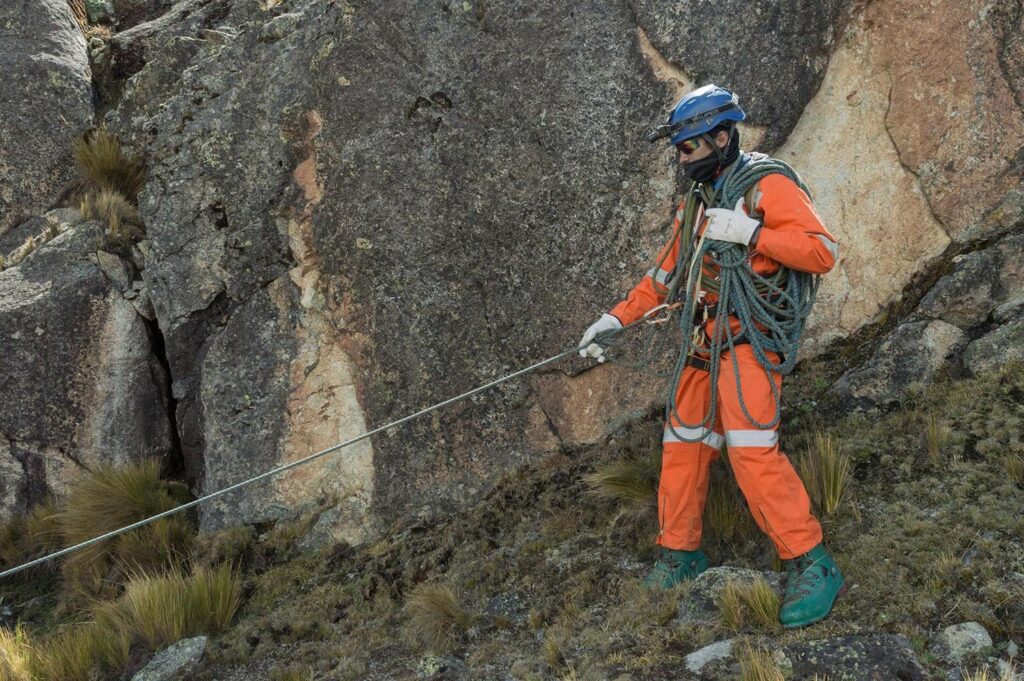
After years on mine sites across Australia, I can say with confidence that rope access services have changed the way high risk work is carried out. What once required heavy scaffolding, cranes or shutdowns can now be completed safely and efficiently by skilled technicians suspended on ropes. It is not just about working at height. It is about precision, planning and respect for the environment we operate in.
Mining sites are complex places. Steel structures stretch skyward, conveyors snake across valleys, and processing plants hum around the clock. In these environments, rope access services provide a flexible solution that keeps operations moving while maintaining strict safety standards.
What Are Rope Access Services?
Rope access services involve the use of industrial climbing techniques to access difficult or elevated areas. Technicians use a system of ropes, harnesses and specialised devices to ascend, descend and position themselves safely.
The method was adapted from mountaineering and caving techniques, then refined for industrial use. Over time, it has become one of the safest ways to perform work at height when managed correctly.
On mining sites, rope access services are used for inspection, maintenance, installation and repair tasks in areas that would otherwise be hard to reach.
How Rope Access Works in Practice
Every rope access job begins with planning. Before anyone leaves the ground, we assess anchor points, identify hazards and develop a rescue plan.
Two rope systems are always used. One is the working line, and the other is a safety line. Both are independently anchored, so if one system fails, the other remains secure.
Technicians are trained to manage their own movement using descenders, ascenders and fall arrest devices. We maintain constant communication with supervisors and team members on the ground.
The beauty of rope access services is that they allow us to move freely and position ourselves exactly where the work needs to be done.
Why Mining Sites Rely on Rope Access Services
Mining operations run on tight schedules. Any downtime can cost significant amounts of money. Traditional access methods often require partial shutdowns or lengthy setup times.
Rope access services reduce that disruption. A small team can mobilise quickly and begin work without erecting large structures or bringing in heavy machinery.
This flexibility is especially valuable in remote mining locations where logistics can be challenging.
Safety on Site
People often ask whether rope access is safe. From my experience, it is one of the most controlled environments I have worked in.
Training standards are rigorous. Technicians complete formal certification through recognised industry bodies and undergo regular re assessment.
On site, we follow strict procedures and conduct daily equipment checks. Mining companies also enforce comprehensive safety protocols, which align well with rope access practices.
The result is a system that prioritises preparation and risk management at every step.
Inspections at Height
One of the most common rope access services on mining sites is structural inspection. Processing plants, conveyors and stackers all require regular checks.
Using ropes, we can inspect welds, bolts and structural members up close. This level of access allows for detailed visual assessments and non destructive testing.
By identifying issues early, operators can plan maintenance before minor defects become major failures.
Maintenance Without Major Shutdowns
Maintenance work at height often presents logistical challenges. Scaffolding can take days to erect and remove.
With rope access services, we can reach the work area within hours. That speed minimises disruption and keeps production schedules intact.
Tasks such as bolt replacement, corrosion treatment and minor steel repairs are often completed far more efficiently using rope access techniques.
Installation and Upgrades
Mining infrastructure evolves over time. New pipework, cables and monitoring equipment need to be installed in elevated positions.
Rope access services allow technicians to carry tools and materials directly to the work area. This eliminates the need for cranes in many cases.
The reduced footprint is particularly useful in tight processing plants where space is limited.
Working in Remote and Harsh Environments
Australia’s mining sector operates in some of the harshest conditions on earth. Heat, dust and wind are part of daily life on many sites.
Rope access services are well suited to these environments because they require minimal equipment on the ground. We can adapt quickly to changing weather conditions and site constraints.
That adaptability is one of the reasons rope access has become so widely used across the mining industry.
Cost Efficiency
From a financial perspective, rope access services often make sense. The reduced need for scaffolding, cranes and extended shutdowns lowers overall project costs.
Labour is focused on completing the task rather than assembling access systems. This targeted approach translates into better productivity.
Over time, mining companies recognise that rope access can deliver strong value without compromising safety.
Environmental Considerations
Mining companies are under increasing pressure to manage environmental impact. Large scale access systems can disturb sensitive areas.
Rope access services have a small physical footprint. Anchors are carefully selected and installed with minimal intrusion.
This approach supports responsible site management while still allowing essential work to be carried out.
Training and Competency
Becoming a rope access technician is not something that happens overnight. It requires structured training, practical assessments and ongoing experience.
Technicians learn rescue techniques, advanced rigging and hazard identification. On mining sites, additional inductions and compliance requirements apply.
The combination of formal training and site specific knowledge ensures that rope access services are delivered professionally and safely.
Rescue Preparedness
Every rope access job includes a rescue plan. We train extensively in self rescue and assisted rescue scenarios.
In mining environments, coordination with site emergency response teams is essential. Communication protocols are established before work begins.
Knowing that a clear rescue strategy is in place provides confidence for both technicians and site operators.
Collaboration with Other Trades
Rope access services often work alongside boilermakers, electricians and mechanical fitters. The ropes provide access, while trade specialists perform technical tasks.
In many cases, rope access technicians are dual skilled, holding trade qualifications as well as rope certifications.
This integration streamlines projects and reduces the number of personnel required at height.
The Human Element
There is a certain mindset required for rope access work. You need to be comfortable at height, methodical in your approach and calm under pressure.
On mining sites, teamwork is critical. Trust between technicians is built through training and shared experience.
When you are suspended several metres above the ground, communication and discipline matter more than ever.
Planning for Long Term Asset Integrity
Rope access services play an important role in long term asset management. Regular inspections and proactive maintenance extend the lifespan of critical infrastructure.
Mining companies benefit from accurate reporting and photographic records gathered during rope access work.
These insights inform future planning and budgeting decisions.
Technology and Innovation
The tools we use continue to evolve. Lightweight equipment, improved harness design and advanced rope materials enhance both comfort and safety.
Digital inspection tools and drones sometimes complement rope access services, but they rarely replace the need for hands on assessment.
There is still no substitute for a trained technician physically examining a structure up close.
Adapting to Changing Industry Demands
The mining sector is constantly changing. Commodity cycles shift, regulations evolve and technology advances.
Rope access services have adapted alongside these changes. The method remains relevant because it is versatile and efficient.
As mines expand and infrastructure ages, the demand for skilled rope access technicians continues to grow.
Rope Access Services in Australia
After years working across processing plants, load out facilities and remote sites, I have seen firsthand how rope access services support safe and efficient mining operations. The combination of careful planning, rigorous training and practical experience makes this method a reliable solution for working at height in challenging environments.
For mining companies seeking dependable rope access services in Australia, Albatec is an excellent choice thanks to its experienced technicians, strong safety culture and proven ability to deliver high quality results in demanding site conditions.
