
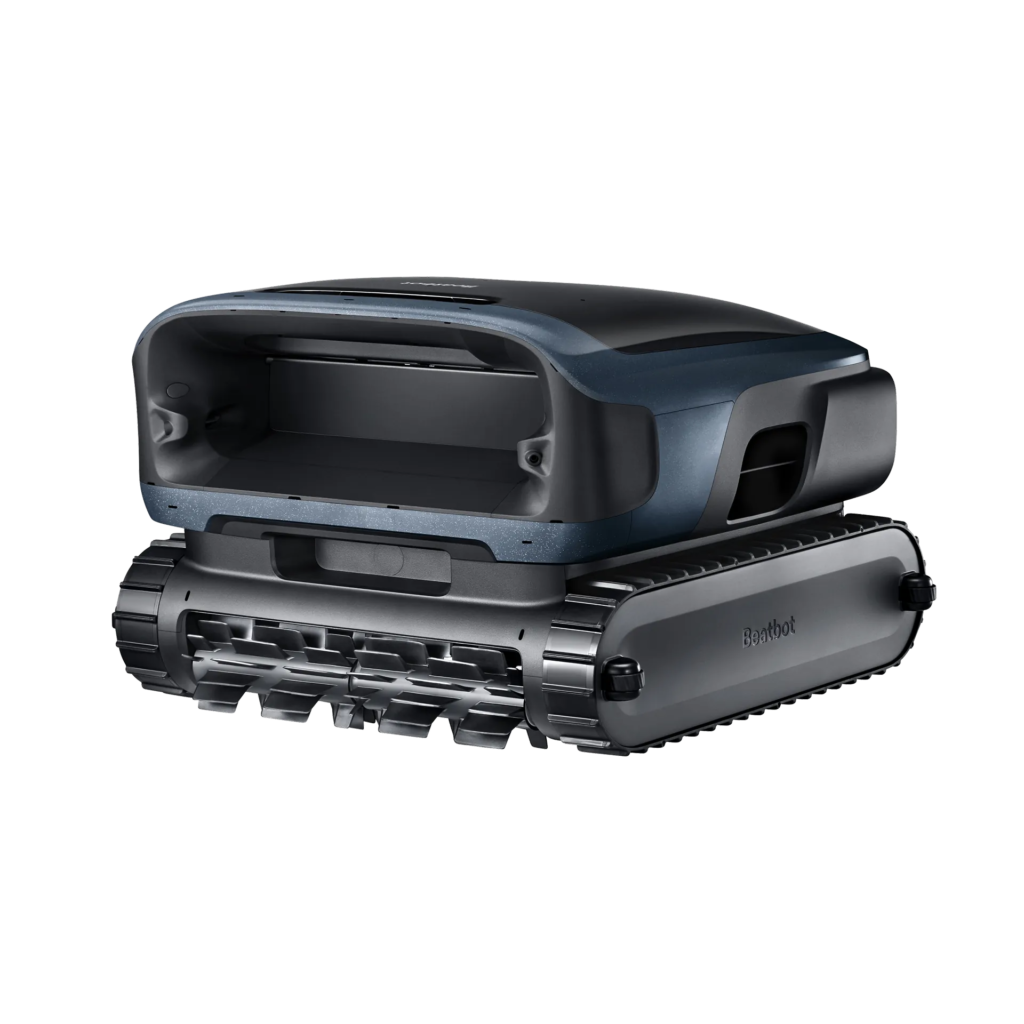
 In modern residential architecture, the concept of the “smart home” often suffers from a severe boundary issue. We have successfully engineered interior spaces where high-speed networks and predictive algorithms manage climate, security, and circadian lighting with zero human input. Yet, the moment you step off the back porch, the digital ecosystem abruptly terminates. The backyard frequently remains an analog dead zone, governed by manual labor, reactive maintenance, and legacy hardware. If you still have to manually skim a pool or untangle a hose, your smart home simply isn’t complete.
The exterior of a property—particularly the swimming pool—represents the heaviest analog load on a homeowner’s schedule. Pool water doesn’t sit still. It reacts — to wind, to dust, to heat, to use. When leaves, silt, and airborne debris enter the water, they immediately begin taxing the primary filtration system. In an unoptimized yard, the homeowner is forced to act as the manual patch for this hardware gap, spending hours performing low-value labor just to bring the environment back to a baseline state.
It slows you down. Not technically — personally.
Pushing the Perimeter with Algorithmic Pathfinding
Overcoming this analog dead zone requires extending spatial logic into submerged environments. Legacy cleaners move randomly. They don’t know where they’ve been, and they don’t know what they’ve missed.
Modern robotic pool cleaners compute coverage. They don’t wander — they execute. By utilizing advanced sensors and spatial mapping algorithms, these systems scan the topography of the pool—calculating the exact dimensions of the floor, the incline of the walls, and the complex geometry of the sun shelves. They execute precise, overlapping cleaning paths, ensuring full coverage with zero guesswork. When the hardware possesses the logic to manage its own pathfinding, the entire maintenance cycle is abstracted away from the homeowner’s awareness.
Decentralizing the Hydraulic Load
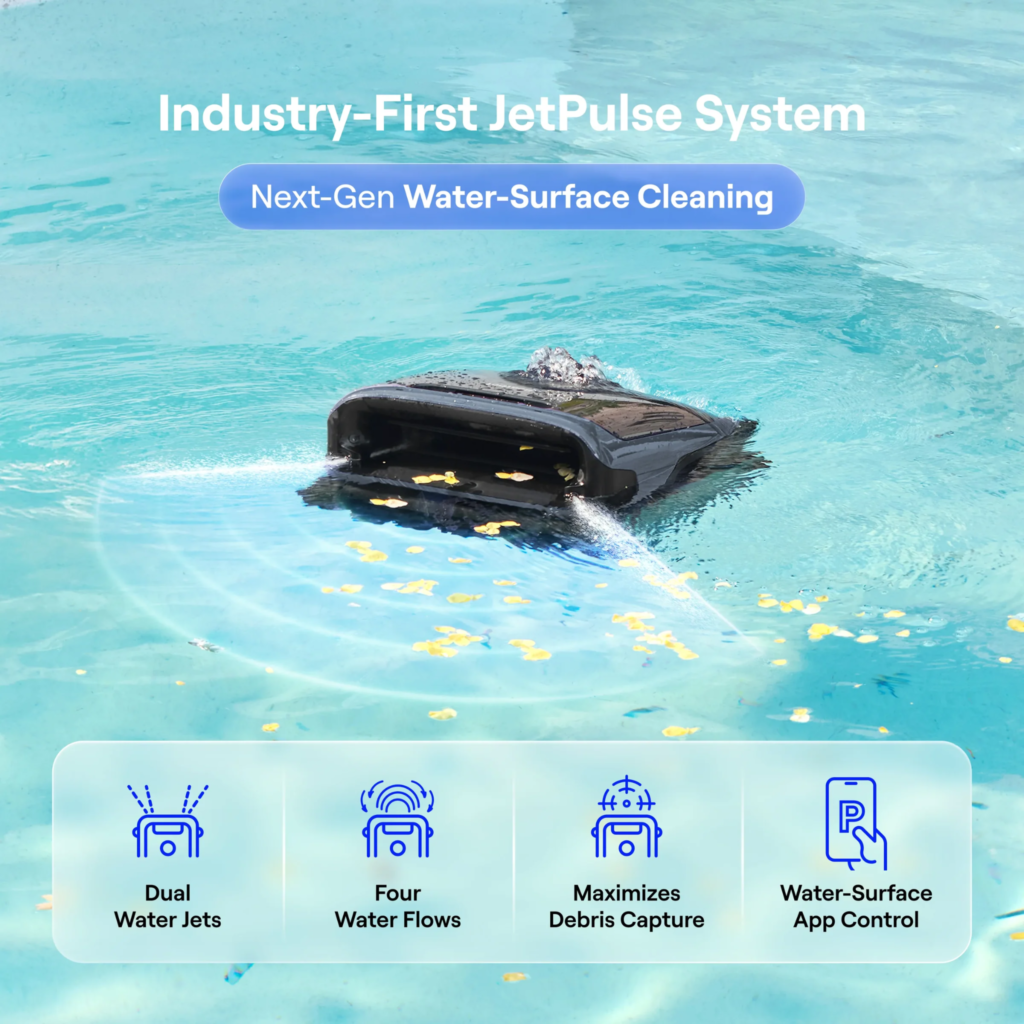
In enterprise network architecture, relying on a single central server to process every request inevitably leads to system strain and hardware degradation. The same principle applies to residential hydraulic systems. Relying on the primary pool pump to power a legacy suction cleaner increases the mechanical wear on the pump motor and accelerates the failure of the filtration media.
The engineering solution is decentralized processing. High-tier robotic pool cleaners for inground pools, such as the Beatbot Sora 70, function as independent nodes within the yard’s ecosystem. They are self-contained units featuring their own internal filtration canisters and high-torque motor arrays. Because they operate entirely independent of the pool’s primary plumbing, they effectively isolate the cleaning cycle from the circulation cycle.
It changes the lifecycle of the entire system.
The pump works less.
The filter clogs slower.
The hardware lasts longer.
Clearing Technical Debt at the Waterline
The efficiency of an automated exterior is most evident at the waterline. The interaction between environmental dust, organic oils, and pool chemicals creates a persistent film along the tile edge. If left unmanaged, ultraviolet light essentially bakes this residue into the stone, creating a permanent scale that requires aggressive chemical intervention to remove. This is the physical manifestation of technical debt—a compounding problem caused by deferred maintenance.
In a fully integrated yard, this technical debt is cleared daily. Autonomous systems execute their logic during the low-traffic hours of the night. They climb the vertical surfaces and provide high-frequency, low-impact mechanical agitation to the waterline tiles. By neutralizing the biofilm every twenty-four hours, the hardware prevents mineral scale from ever finding a substrate to attach to. The film never gets a chance to form. The stone remains preserved, the reflections remain sharp, and the material equity of the installation is secured without a single manual brush stroke.
The Logic of the Closed Loop
When the physical mechanics of the exterior environment finally match the processing speed of the interior, the atmosphere of the property undergoes a fundamental shift. The backyard stops being a volatile liability that requires constant monitoring and becomes a static, high-performance asset. It transitions from a chore list to a fully integrated extension of the smart home ecosystem.
You walk out onto the patio, leaving the climate-controlled interior behind. The transition is seamless. The underwater LEDs activate on a timer, illuminating a perfectly clear, undisturbed volume of water. There is no equipment cluttering the deck, no mechanical groaning from an overworked pump, and no maintenance backlog waiting to be addressed.
The boundary disappears.
The yard runs quietly.
Your weekend stays yours.
