
In recent years, CTV ad trends have shifted the direction of digital advertising and are now influencing how brands design performance marketing strategies for 2026. Connected television has moved beyond an experimental channel. It has become a measurable and data-informed environment where advertisers can reach streaming audiences with precision and scale.
Brands that once depended heavily on search and social advertising now view connected TV as a key part of the marketing mix. Streaming platforms attract engaged audiences who spend significant time watching premium content across smart televisions, gaming consoles, and streaming devices. As marketers evaluate where the next wave of growth will emerge, CTV advertising sits at the intersection of television reach and digital performance analytics.
The Rapid Growth of CTV Advertising Investment
Connected television advertising is experiencing one of the fastest growth cycles in the advertising industry. As streaming platforms expand and audiences continue shifting away from traditional broadcast schedules, marketers are following viewers to these digital environments.
Major brands now allocate larger portions of their media budgets to CTV because it combines the broad visibility of television with the targeting precision associated with digital channels. This hybrid nature allows marketers to reach specific demographics without wasting impressions on audiences unlikely to engage with the campaign.
Streaming platforms also provide richer behavioral data than traditional television networks. Advertisers can analyze viewing patterns, content preferences, device usage, and session timing. These signals enable more accurate campaign planning and help brands deliver relevant messaging to viewers at the right moment.
For performance marketers, this transition represents a significant opportunity. Campaigns are no longer measured only by impressions and estimated reach. Instead, marketers can analyse user engagement, website visits, conversions, and incremental revenue tied to streaming exposure.
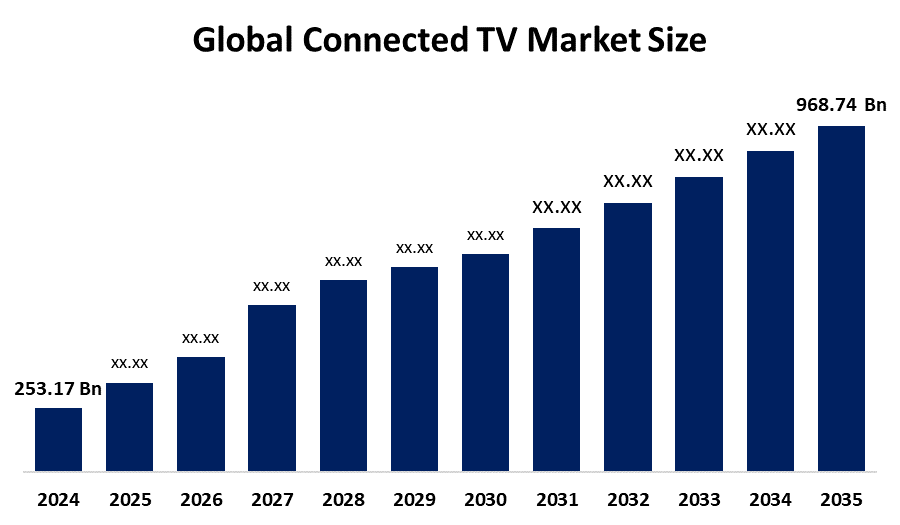
Industry reports show that global connected TV ad spending continues to rise each year as streaming subscriptions grow worldwide. With more households adopting smart televisions and internet-enabled devices, the potential advertising inventory across streaming platforms expands alongside audience demand.
Privacy First Targeting in the Streaming Era
Privacy regulation and growing consumer awareness around personal data have transformed how digital advertising operates. The connected TV ecosystem has adapted by developing targeting approaches that prioritize privacy while maintaining campaign effectiveness.
Traditional advertising often relied heavily on third-party cookies and extensive individual tracking across websites. Regulatory frameworks and browser restrictions are gradually eliminating these methods. As a result, advertisers are investing in privacy-conscious alternatives that still provide meaningful audience insights.
Connected TV advertising often uses household-level targeting rather than individual user identification. This approach focuses on the device or household environment where streaming occurs instead of tracking a specific person across the internet. Marketers can segment audiences by geographic location, viewing behavior, and contextual signals without exposing personal data.
Contextual advertising is also becoming more influential within CTV environments. Brands can align campaigns with specific genres, programs, or content themes. A sports brand may choose to advertise during live sports streaming, while a technology company might target viewers watching innovation-related documentaries.
Many technology publications and industry discussions also analyze how streaming ecosystems evolve and how privacy-centered advertising models are emerging. Broader developments in digital television platforms and streaming infrastructure are often explored through technology discussions on digital television ecosystems, where analysts examine shifts in modern streaming environments.
The privacy-first shift benefits both viewers and advertisers. Consumers gain stronger data protection while brands maintain the ability to reach relevant audiences in compliant ways.
The Cookieless Tracking Transition
The gradual disappearance of third-party cookies represents one of the most significant changes in digital advertising over the past decade. Marketers are actively building alternative measurement frameworks that work across privacy-focused environments.
Connected TV advertising plays an important role in this transition. Since streaming devices do not rely on browser cookies in the same way websites do, advertisers already operate within a different measurement framework.
Device identifiers, first-party data partnerships, and contextual signals now support attribution models in CTV campaigns. These systems analyze aggregated engagement patterns rather than tracking individual browsing histories. The result is a measurement approach that balances campaign insight with data protection.
Marketers also combine connected TV signals with first-party data collected through websites, apps, and customer relationship platforms. When these data sets align, advertisers gain a clearer view of how exposure to streaming ads influences downstream behavior.
This cookieless strategy encourages marketers to focus more on meaningful engagement metrics rather than purely relying on user tracking technologies. Campaign optimization increasingly depends on creative quality, contextual alignment, and audience relevance.
AI-Driven Measurement and Real Time Attribution
Artificial intelligence is transforming how advertising performance is analyzed within connected TV ecosystems. Machine learning models process large volumes of campaign data to identify patterns that human analysts might overlook.
Real time analytics platforms allow marketers to monitor campaign performance as ads run across streaming platforms. Advertisers can observe metrics such as viewer completion rates, engagement signals, and post exposure behaviour across digital properties.
AI models interpret these signals to estimate how streaming ads influence actions such as website visits, product searches, or conversions. Instead of waiting weeks for campaign reports, marketers receive rapid feedback that helps refine targeting strategies during active campaigns.
Attribution models powered by artificial intelligence also connect multiple marketing touchpoints. Consumers often interact with several channels before making a purchase decision. AI systems analyse these complex journeys and estimate how each exposure contributes to the final conversion.
For performance marketing teams, this capability changes the role of television advertising. Rather than functioning solely as a brand awareness channel, connected TV becomes part of a measurable performance ecosystem.
Predictive Analytics and the 2026 Marketing Landscape
Predictive analytics represents the next stage in connected TV advertising development. Instead of analyzing past campaign performance alone, machine learning models can forecast future outcomes based on historical data patterns.
These systems evaluate large data sets containing viewer behavior, engagement metrics, and campaign performance signals. By identifying correlations across these variables, predictive models estimate which audiences are most likely to respond positively to specific campaigns.
Marketers use these insights to allocate budgets more effectively. Campaigns can prioritize streaming platforms, content categories, and audience segments that historically demonstrate higher engagement or conversion potential.
Predictive analytics also helps optimize creative strategies. Algorithms analyze which messaging formats resonate with different audiences. For example, some viewers respond more strongly to storytelling-driven advertisements, while others engage more with product-focused messaging.
This forecasting capability becomes particularly valuable as marketing environments grow more complex. Brands operate across streaming platforms, social media networks, search engines, and digital marketplaces. Predictive models help marketing teams navigate these overlapping channels while focusing on high-impact opportunities.
As the advertising landscape moves toward 2026, connected TV continues evolving as a central channel in performance marketing strategies. The combination of streaming audience growth, privacy-conscious targeting, AI powered measurement, and predictive analytics reshapes how brands approach digital advertising.
Marketers who understand these developments can design campaigns that reach audiences where they spend the most time while maintaining transparency and data responsibility. Connected television is no longer simply an extension of traditional television advertising. It has become a data-informed environment where marketing strategy, technology, and audience engagement converge.
