
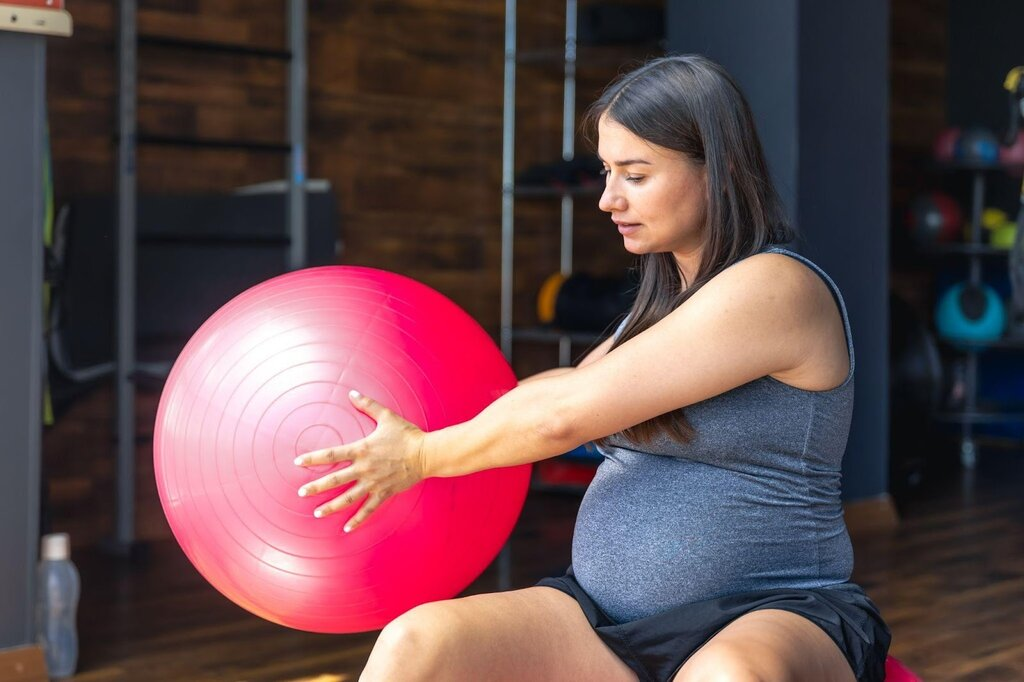
Pregnancy usually causes you to look for some relief. These huge soft balls, which are sometimes referred to as workout or birthing balls, are increasingly visible in the homes of pregnant women nowadays. Sitting on them is comfortable, it is good for your soreness, it helps you to straighten your back, keeps the body moving, and maybe even makes the way to delivery easier. However, when that circular item comes to your place, you might get some hesitation: Is this the right size?
The first thing to do when getting a yoga ball is to know your height. It is important to get the right size to maintain good posture while working out. Your body may alter its proportions as your muscles become more conditioned, so you may have to opt for a bigger or smaller ball.
What Size Yoga Ball Do I Need for Pregnancy?
A right-sized yoga ball makes it so that your hips actually rest just at the top of your knees while seated, with your feet still staying flat on the floor. If you get the right fit, then your stability will go up as less work will be needed from your joints. Keeping your back straight will be a no-brainer once the shape of your spine is still in a comfortable way.
By using too small a ball, you can injure your hips and knees, and with too big a ball, you can get dizzy; when you are already unbalanced, both of those things will be difficult. It is important to pick the right size of a yoga ball when you want to do any kind of workout, stretch, or even just normal sitting. It becomes even more important to check when you are buying a pregnancy yoga ball like the Momcozy yoga ball for pregnancy, which is made especially for the comfort and stability of prenatal.
How to Measure for the Right Yoga Ball Size
Stand with your back against a wall, and your feet completely flat on the floor. Your back should gently touch the surface. Next, slowly slide down until your thighs are parallel to the ground. Remember the spot where your upper thigh meets your body. Then compare the sizes with the manufacturer’s charts, since the sizes may vary a little between the brands. Choose the size that is the closest match to that measurement.
- Start by standing without shoes to check how tall you are.
- Basing ball size on height, manufacturers often share sizing tips. Their guidance usually appears in product details.
- Sit down after inflating the ball – hips even with, or just higher than, knees. That’s how you know it’s right.
- A bit less firmness might feel better when you are expecting. Try lowering the air just a touch if it helps.
When picking something made for moms-to-be, say the Momcozy birthing ball, size tips usually focus on ease and balance during pregnancy.
Yoga Ball Size Recommendations by Height
Every brand fits a little differently, yet most pregnant people find these guidelines fit just right
- Under 5’0” (152 cm): 45 cm yoga ball
- 5’0”–5’4” (152–163 cm): 55 cm yoga ball
- 5’5”–5’9” (165–175 cm): 65 cm yoga ball
- Taller than five ten? A seventy-five-centimeter ball works best here.
Try out different positions for your legs while sitting on the ball. The most comfortable will be when your legs are slightly angled downward. If your knees are higher than your hips, the ball is too small.
Why Proper Yoga Ball Size Matters in Pregnancy
With pregnancy, the body carries more load through the back, hips, and connecting points. Using a properly fitted exercise ball in pregnancy can ease some of these shifts because it supports natural alignment while moving.
- Pain eases when your body lines up right. Good alignment takes pressure off the pelvis. A balanced stance helps the spine stay neutral. Relief often follows simple adjustments.
- Standing steady gets easier when the body learns better control. Weakness slips away as muscles gain confidence through practice. Fewer stumbles happen when coordination sharpens over time.
- Encouraging gentle movement, which supports circulation.
- Sitting less heavily on the tailbone, shifting weight now and then helps ease strain. Pressure slips away when posture changes slowly throughout the day. Hips take a break if balance moves forward slightly.
A wrong-sized ball might cause sore muscles, pain, or shaky balance. This gets worse when pregnancy hormones such as relaxin make ligaments looser than usual.
Adjusting Yoga Ball Size Throughout Pregnancy
By the time you reach the third month, things shift quite a bit compared to how they were early on – even sitting on your yoga ball might feel different. Even though the size of the ball does not alter, small tweaks can make it easier to stay comfortable.
- A bit of air let out during late pregnancy can shift weight more evenly. This adjustment helps stability without effort. Sometimes relief comes from less pressure down low.
- Rest the ball against a wall or sofa to hold it steady.
- A bit of grip helps keep things steady. Underneath, a textured pad stops it from sliding around.
Firmness shifts matter more near the end – certain mothers lean toward a cushier feel when seated late in pregnancy. Yet they still opt for tight inflation during light workouts or practice drills for delivery.
Using the Right Size Yoga Ball Safely
Finding the right fit matters, yet handling it safely counts too. Remember this stuff:
- Put the ball on a surface that won’t slide around.
- Sit slowly and mindfully to maintain balance.
- Beyond three months, skip workouts where you lie straight on your back. Some moves just won’t suit how your body changes by then. Lying flat might reduce blood flow, so better options exist.
- If dizziness hits, step back. Unsteadiness? Pause right there. When discomfort creeps in, halt whatever you’re doing. A strange sensation means stop now. Don’t push through odd feelings.
- Before jumping into a fresh workout plan, talk with your doctor. Getting advice first can make things safer down the road.
A yoga ball might sit quietly by the couch, yet help soften pressure on tired muscles during evening shows. Movements on its surface slowly loosen tight hips, readying the body in quiet ways for what lies ahead.
Final Thoughts
Most often, taller people need bigger balls – yet how it feels when you sit plays a big role too. Your stance, ease of motion, and balance shift as your belly grows, so pick one that adapts smoothly. When the fit is right, daily movements become less strain-filled without extra effort. Size guides help, though personal comfort should guide the choice more than numbers alone.
A yoga ball might just fit perfectly once picked in the right size. As your body changes, tweak how you use it little by little. Sitting on it feels steady when positioned well. Movement comes easier if you pay attention to posture. Stretching gets smoother with gentle shifts. Confidence grows without forcing anything. Comfort stays within reach each day.
