
In the world of material processing, the transition from raw, coarse materials to refined, high-quality powders is a critical journey. This transformation relies heavily on the ability to control and measure the dimensions of every grain. Achieving a consistent and predictable result is not just a matter of grinding but a science of precision engineering. For many manufacturers, the primary goal is to reach a specific target while maintaining the integrity of the material. This process ensures that the final product performs exactly as intended in its final application.
Modern industries, particularly pharmaceuticals and food production, demand extreme accuracy. When dealing with complex formulations, even a slight variation in grain size can alter how a substance behaves. This is why understanding the spread of different sizes within a single batch is so vital. By mastering this balance, companies can improve flowability, enhance dissolution rates, and ensure better blending. The ability to move efficiently from coarse inputs to fine outputs is what defines a successful production cycle and a reliable end product.
Analysing Particle Size Distribution
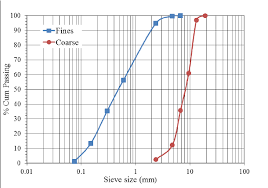
At its core, Particle Size Distribution is a measurement that defines the relative amount of particles present according to their specific size. Instead of looking at a single average value, this metric provides a detailed map of the entire batch. It shows how many particles are small, how many are large, and where the majority of the material sits on the spectrum. In many high-stakes environments, the width of this distribution curve is the most important indicator of quality. A narrow curve suggests that the particles are uniform, which is often the desired outcome for consistency.
When the distribution is tightly controlled, the material behaves more predictably during downstream processing. For example, in tablet manufacturing, uniform particles ensure that each dose contains the exact same amount of active ingredients. In the food industry, it helps maintain the same texture and taste across every package. Without a clear understanding of this distribution, manufacturers risk producing batches that are inconsistent or even unusable. Mastering this metric allows for better process validation and higher overall yields in any industrial setting.
The Role of Precision Milling
To achieve a narrow and consistent spread, specialized equipment is required to break down coarse materials without causing damage. Conical milling is one of the most effective methods for reaching these goals. This technology uses centrifugal force to push material through a fixed screen, ensuring that only particles of the correct size pass through. Unlike more aggressive grinding methods, this approach generates minimal heat and dust. By selecting the right screen and impeller, operators can fine-tune the output to meet very specific requirements.
The choice of milling equipment directly impacts the final spread of sizes. High-quality mills are designed to provide repeatable results across different batches, which is essential for large-scale production. Whether a company is working with dry powders or wet granulations, the equipment must be versatile enough to handle various textures. Advanced milling solutions allow for a two-stage reduction process, which helps in reaching the finest targets while keeping the distribution curve tight. This level of control is what separates industry leaders from their competitors.
Enhancing Product Performance
The physical properties of a powder, such as its surface area and porosity, are directly linked to its size. As particles become finer, their surface area increases, which can significantly speed up chemical reactions or dissolution. This is particularly important for active pharmaceutical ingredients, where the speed of absorption in the body is a critical factor. By manipulating the size, manufacturers can effectively “tune” the performance of their products. This technical mastery ensures that the final substance meets all safety and efficacy standards.
Beyond chemical performance, the physical handling of the material is also improved. Coarse, irregular particles often lead to clogging in machinery or uneven mixing in a blender. Refining these particles into a more uniform state allows for smoother flow through production lines. This reduces downtime and prevents the waste of expensive raw materials. When a manufacturer masters the transition from coarse to fine, they are not just changing the size of a material; they are optimizing their entire business operation for better efficiency.
Innovations in Size Reduction
The technology used for size reduction has evolved significantly over the last few decades. Original innovations, such as the conical screen mill, have set the standard for how industries approach deagglomeration and milling. These machines are now more scalable than ever, allowing for a seamless transition from laboratory research to full-scale manufacturing. This scalability is crucial for companies that need to maintain the same quality levels as they grow their production volume. Consistency remains the top priority throughout every stage of growth.
In addition to standard milling, fine grinding technology has opened new possibilities for reaching sub-micron levels. These advanced systems are capable of producing the highest percentage of “on-target” particles in a single pass. This reduces the need for secondary screening and saves valuable time. By utilizing these modern tools, manufacturers can achieve a level of precision that was once thought impossible. The journey from coarse to fine is now a highly controlled path, guided by decades of engineering expertise and a commitment to excellence.
Ensuring Quality and Compliance
In regulated industries, the ability to prove that a process is consistent is just as important as the process itself. Detailed analysis of the size spread is often a requirement for meeting international standards and gaining regulatory approval. Process validation involves showing that the equipment can produce the same results every time, regardless of environmental factors. This level of reliability protects the manufacturer from the risks of batch failure or product recalls. It also builds trust with consumers who rely on the consistency of the products they buy.
Modern equipment is designed with these strict standards in mind. Features like easy-to-clean surfaces and specialized seals help prevent contamination and ensure operator safety. When the machinery is easy to maintain and validate, the entire production team can focus on hitting their targets. Mastery of the material starts with a deep respect for the technology and the data it provides. By prioritizing quality at every step, companies can ensure that their transition from coarse to fine is always a success.
