
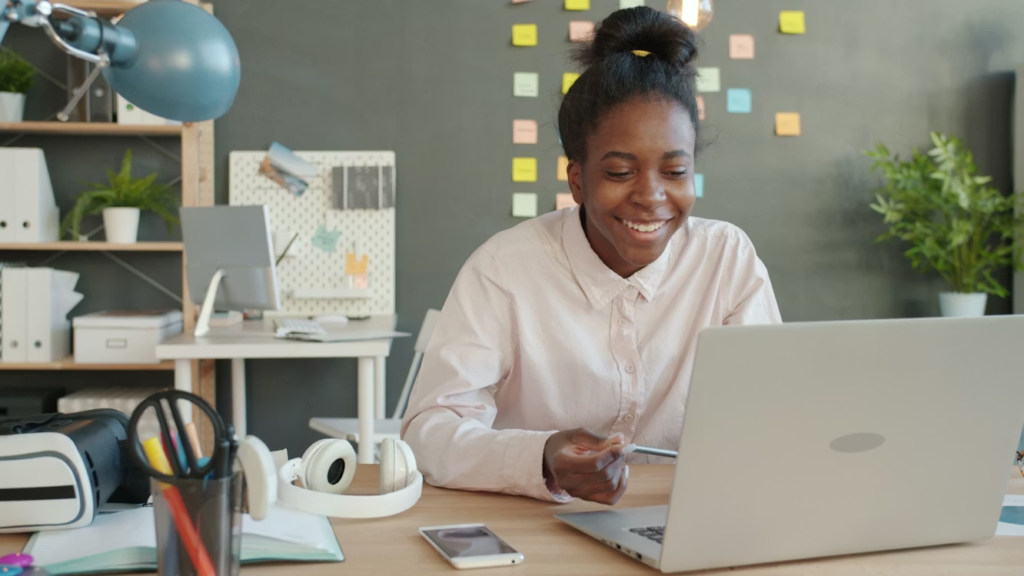
Let’s be totally real for a second – the days of just carrying a heavy laptop and hoping for the best are officially behind us. While everyone else is still stuck on the same old word processors, a new wave of niche technology is quietly revolutionizing how students actually absorb information and manage their cognitive load.
It is honestly fascinating to see how far we’ve come from simple digital note-taking to things like spatial computing and biometric feedback loops. These tools don’t just help you organize your day; they actually interface with your biological rhythm to tell you when your brain is most primed for a difficult problem solution topic and when you should probably just take a nap.
If you are feeling like your current tech stack is a bit outdated, and you are struggling to keep up with a massive workload, sometimes you just need a specialized hand to help you navigate the chaos. Checking out a platform like WritePaper.com can give you that extra bit of breathing room when the research gets too heavy, and the clock is ticking. Having a reliable partner in your corner allows you to spend more time experimenting with these new technologies rather than getting bogged down in the repetitive mechanical parts of your assignments.
It is all about building a support system that uses every available resource to help you reach your full potential without burning out before finals even arrive.
The Rise Of Neuro-Feedback Wearables And Brain-Sensing Headbands
One of the coolest things happening right now is the development of non-invasive neuro-feedback devices designed specifically for students who struggle with “attention drift.” These aren’t just fancy headphones; they use EEG sensors to monitor your brainwaves in real-time and play subtle “pink noise” or haptic pulses when they detect that your focus is starting to wane.
Then we have the world of spatial audio and haptic feedback for sensory learning, which is a total lifesaver for students who learn better by doing rather than reading.
This multi-sensory approach is proving to be incredibly effective for long-term retention, especially in high-pressure STEM fields where the details really matter. It’s amazing how adding a physical sensation to a digital task can make the information stick in your brain so much better than just looking at a flat screen.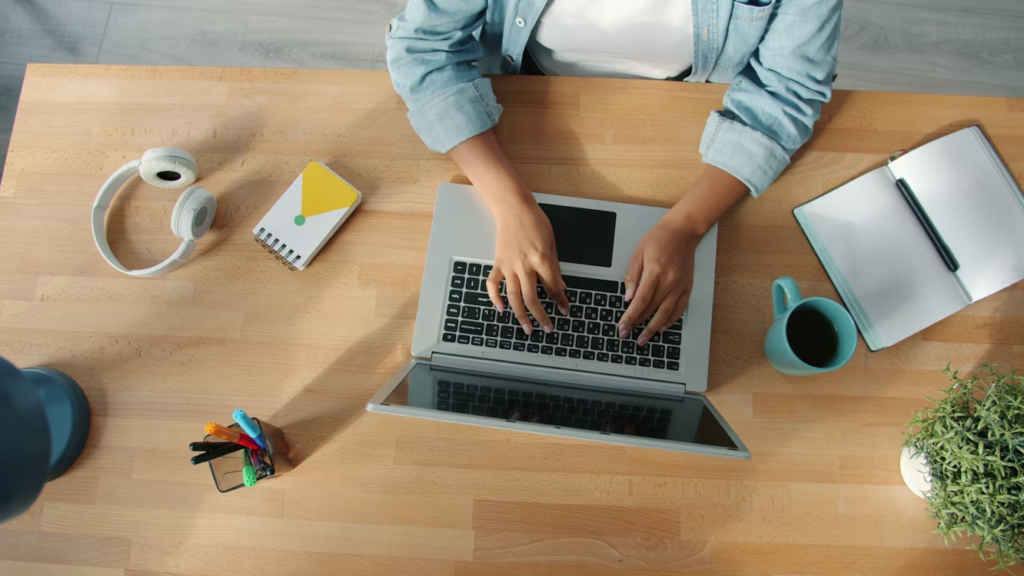
Navigating The Complexity Of Spatial Computing And Holographic Study Labs
We are also seeing a massive leap in how students interact with 3D models through the use of lightweight, standalone AR glasses that project holographic “study labs” onto any flat surface. Imagine being able to pull a human heart out of your textbook and walk around it, seeing every valve and chamber in high-definition 3D without ever leaving your dorm room.
This tech is currently being used by about 18% of medical students in the USA to supplement their clinical rotations, providing a risk-free environment to practice complex procedures. It turns a passive reading session into an interactive experience that feels much more like a video game than a traditional study hour.
Ryan Mitchell, a high-level consultant and lead strategist at the best essay writing service, recently highlighted how these advancements are changing the competitive landscape of higher education. He mentions that the students who leverage these specific tools are often the ones who find the most success when applying to elite institutions or specialized programs.
For those looking to take that next step in their academic career, diving into discussions like Is Solomon Admissions Consulting actually worth it? can provide some much-needed clarity on how to pair your tech-savvy skills with the right admissions strategy. It is all about combining the best of human expertise with the most cutting-edge tools to give yourself every possible advantage in a crowded field.
Adaptive Bio-Lighting And Circadian Rhythm Optimization For Late-Night Grinds
If you have ever felt like you can’t focus because your dorm lighting is just “off,” you’ll love the new adaptive bio-lighting systems that are hitting the student market. These smart lamps sync with your phone to track your circadian rhythm, automatically shifting from a cool, blue-heavy light in the morning to a warm, amber glow in the evening. This helps regulate your melatonin production, ensuring that when you finally close your books, you can actually fall asleep instead of tossing and turning for hours. It’s a simple tech advancement that has a massive impact on your mental health and cognitive recovery times, which is something every student needs more of.
To build the ultimate high-tech study environment, you should consider these specialized upgrades:
- E-Ink Secondary Displays: Perfect for reading long research papers without the eye strain of a traditional LED screen, which can improve reading speed by nearly 20%.
- Smart Hydration Bottles: These sync with your phone to remind you to drink water, keeping your brain hydrated and sharp.
Final Thoughts On Embracing The Future Of Learning Technology
As we look toward the end of 2026, it is clear that the “standard” student toolkit is being completely rewritten by these niche but powerful innovations. Whether it is a headband that reads your brainwaves or a lamp that helps you sleep, the goal of this tech is to make the human experience of learning a little more natural and a lot more efficient.
If you ever feel like the sheer pace of technological change is making it hard to focus on your actual work, remember that you don’t have to navigate it all by yourself.
Sometimes the best way to move forward is to take a step back and let a professional help you write paper drafts so you can focus on mastering the new tech that will help ease your stress.