
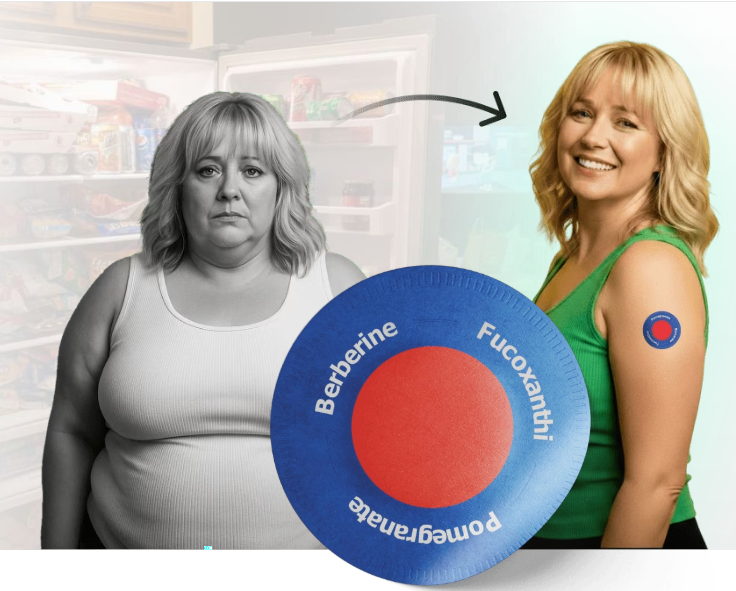
Transdermal botanical patch draws consumer interest as adults seek alternatives to traditional capsule-based berberine supplementation — here is what buyers should know about the product, the science, and what to verify before purchasing
Wayne, NJ — The dietary supplement industry has seen a significant shift in recent years. Consumers are no longer content simply swallowing capsules and hoping for the best. They want to understand the delivery mechanism, the ingredient sourcing, the science behind the formula, and whether the format they choose actually makes sense for their lifestyle. That shift has opened the door to an expanding category of transdermal wellness products — and Purisaki Berberine Patches have stepped into that space with a product that has generated considerable attention among adults exploring non-pill approaches to metabolic wellness support.
This press release provides a thorough overview of the Purisaki Berberine Patches product — its formulation, positioning, delivery format, ingredient background, pricing structure, usage guidelines, and the considerations consumers should bring to their own research process. All health and performance statements should be evaluated with the understanding that dietary supplements are not intended to diagnose, treat, cure, or prevent any disease, and that individual results vary. Readers are encouraged to consult a qualified healthcare provider before starting any new supplement regimen.
Visit the official website today and claim your discounted bundle before stock runs out.
What Are Purisaki Berberine Patches?
Purisaki Berberine Patches are adhesive transdermal wellness patches designed to be applied directly to the skin for an eight-hour daily wear period. The brand is operated by UAB BeWell EU, a company registered in Vilnius, Lithuania, with fulfillment infrastructure serving customers across the United States, United Kingdom, and European markets.
The core concept behind the Purisaki patch is that delivering berberine — and a range of complementary botanical ingredients — through the skin rather than through the digestive tract may offer a more consistent and convenient experience for people incorporating berberine into their daily wellness routine. The product is positioned as a plant-based formula combining berberine extract with several supporting botanicals and vitamins in a multi-layer transdermal patch design.
The patch system is described as featuring a breathable comfort layer for skin contact, a biodegradable protective outer layer, and a berberine release core layer intended to facilitate gradual ingredient delivery over the wear period. The format is intended to be discreet enough to wear under clothing and simple enough to fit into any morning routine without the timing considerations that often come with capsule-based supplementation.
For consumers who have historically struggled with the gastrointestinal side effects sometimes associated with oral berberine — including stomach discomfort, nausea, or digestive upset — the appeal of a patch-based delivery format is intuitive. Whether or not transdermal delivery fully replicates the bioavailability achieved with oral supplementation at clinical dosages is a more complex question, and one that prospective buyers should explore carefully.
The Ingredient Profile: What Goes Into Each Patch
Purisaki Berberine Patches are formulated with a multi-ingredient botanical blend. Based on publicly available product information, the formula includes the following key components:
Berberine Extract — The anchor ingredient of the formula. Berberine is a naturally occurring alkaloid found in the roots, stems, and bark of several plants, including barberry (Berberis vulgaris), goldenseal (Hydrastis canadensis), and Oregon grape (Mahonia aquifolium). It has been the subject of substantial scientific investigation, particularly in the areas of metabolic health, glucose regulation, and cardiovascular function. The compound activates an enzyme called AMP-activated protein kinase (AMPK), which plays a role in cellular energy regulation and is sometimes described in the research literature as a key metabolic switch.
Fucoxanthin Extract — Derived from brown seaweed, fucoxanthin is a marine carotenoid that has attracted research interest for its potential role in thermogenesis and fat oxidation. Preclinical studies and some small human trials have explored fucoxanthin in the context of body composition, and the compound is commonly included in botanical weight management formulas for its antioxidant properties and its theoretical influence on metabolic rate.
Pomegranate Oil (Punicic Acid Extract) — Pomegranate seed oil is rich in punicic acid, a conjugated fatty acid with antioxidant and anti-inflammatory properties. Punicic acid has been studied in the context of lipid metabolism and is sometimes included in wellness formulas for its potential to support healthy cholesterol levels and cardiovascular function.
Green Tea Extract — One of the most widely researched botanical ingredients in the supplement industry, green tea extract provides both catechins — particularly epigallocatechin gallate (EGCG) — and a moderate caffeine content. The combination of catechins and caffeine has been studied for its influence on thermogenesis, fat oxidation, and energy expenditure. Green tea extract appears in numerous published meta-analyses and is among the most evidence-backed botanical ingredients in weight management supplement research.
African Mango Extract (Irvingia gabonensis) — Derived from the seeds of the African mango tree native to West and Central Africa, African mango extract has been included in weight management formulas based on research suggesting potential effects on adiponectin levels, leptin sensitivity, and appetite regulation. The published evidence base is more limited than that of berberine or green tea, but the ingredient is commonly combined with other metabolic botanicals in multi-ingredient formulas.
Vitamin C — Ascorbic acid serves multiple roles in the body, including supporting immune function, collagen synthesis, and antioxidant defense. Its inclusion in a transdermal wellness patch adds a foundational nutritional component to the formula.
Vitamin B1 (Thiamine) — Thiamine is an essential B vitamin involved in carbohydrate metabolism and energy production. It plays a critical role in the conversion of nutrients into usable cellular energy, making it a logical inclusion in a formula designed to support metabolic function.
Vitamin B3 (Niacin) — Niacin is a well-studied B vitamin with documented effects on cholesterol metabolism, energy production, and cellular repair. It contributes to the formula’s broader nutritional support profile.
The full ingredient list, individual concentrations per patch, and any additional inactive components in the adhesive matrix should be confirmed directly with the manufacturer, as complete per-patch dosage disclosures are not available in all publicly distributed product materials.
Try Purisaki risk-free for 60 days — if it’s not right for you, simply return it for a refund.
Berberine: The Research Landscape
Understanding what published science says about berberine — and where the limits of that evidence sit — is essential context for any consumer evaluating a berberine-based product.
Berberine has been the subject of hundreds of published studies and numerous systematic reviews and meta-analyses over the past two decades. The research has examined berberine’s effects on type 2 diabetes management, lipid profiles, body weight, gut microbiome composition, inflammation, and cardiovascular risk markers.
A 2020 meta-analysis published in Clinical Nutrition ESPEN analyzed data from twelve randomized controlled trials and found that berberine supplementation was associated with statistically significant reductions in body weight, body mass index, waist circumference, and C-reactive protein — a key inflammatory marker — among participants with metabolic disorders. The average weight reduction across the studies was modest, in the range of approximately two kilograms, achieved over intervention periods ranging from several weeks to several months.
A separate dose-response meta-analysis published in Complementary Therapies in Clinical Practice examined ten studies and reported significant associations between berberine supplementation and reductions in BMI and waist circumference. Review literature published in Frontiers in Pharmacology has also examined berberine’s role in improving insulin sensitivity, reducing triglycerides and LDL cholesterol, and lowering fasting blood glucose — all through its activation of the AMPK pathway.
What is important to understand is that virtually all of this research examines oral berberine supplementation at specific dosage ranges — typically 500 milligrams to 1,500 milligrams per day. These are the dosages at which the published effects have been observed and documented. The question of whether a transdermal patch delivers berberine at comparable concentrations through the skin’s barrier layer is a separate scientific question that has received considerably less investigation in the published literature.
The skin’s outermost layer, the stratum corneum, serves as a selective permeability barrier. Pharmaceutical transdermal products — nicotine patches, hormone replacement patches, and certain pain management patches — have been clinically validated and are regulated with published bioavailability data. Consumer botanical wellness patches represent a newer and less-studied application of the same delivery concept. Prospective buyers of any transdermal botanical supplement are well-served by understanding this distinction and asking manufacturers directly about available bioavailability or absorption data for their specific product.
The Appeal of Transdermal Delivery in Supplement Formats
Despite the evidence gap between pharmaceutical transdermal systems and consumer wellness patches, the rationale behind transdermal botanical delivery is scientifically grounded in theory, even if product-specific validation data may be limited.
Oral berberine has one well-documented challenge: poor bioavailability. When berberine is ingested in capsule form, it undergoes first-pass metabolism in the liver and intestinal wall, which substantially reduces the fraction of the compound that reaches systemic circulation. This is why oral berberine studies typically use relatively high daily dosages — they are accounting for this metabolic reduction. Some researchers have explored modified oral delivery forms, including berberine combined with absorption-enhancing compounds, in an attempt to improve bioavailability.
The theoretical case for transdermal delivery is that bypassing the digestive system could allow more consistent absorption without the first-pass effect. Whether a consumer adhesive patch achieves this in practice — and whether any improvement in absorption translates to meaningful physiological effects at the concentrations achievable through skin permeation — are questions that published independent research has not conclusively answered for berberine in this specific format.
Consumers who find themselves drawn to the transdermal concept should approach it with both open-mindedness and appropriate skepticism. The format is plausible in theory. The product-specific evidence is limited. Those two things can be true simultaneously, and calibrating expectations accordingly is the most reasonable position a consumer can take.
Who Is Purisaki Berberine Patches Designed For?
Based on publicly available brand communications, Purisaki Berberine Patches appear to be positioned for several consumer profiles:
Adults seeking alternatives to capsule supplementation. Pill fatigue is a real phenomenon. Many people who take multiple supplements daily find adhesive patches appealing for their simplicity — apply once, go about your day, remove after eight hours. For consumers who struggle with the timing, taste, or digestive effects of oral berberine, the patch format offers a different experience.
People incorporating berberine into a broader wellness routine. The brand’s messaging positions the patch as a complement to balanced nutrition and physical activity rather than a standalone intervention. Consumers who are already managing their diet and exercise habits and are looking for an additional support element may find the format relevant to their approach.
Those interested in multi-ingredient botanical formulas. The combination of berberine with fucoxanthin, pomegranate oil, green tea extract, African mango extract, and B vitamins reflects a formula philosophy that multiple synergistic ingredients may offer broader support than a single-ingredient product.
Adults who prefer non-stimulant or lower-stimulant formats. While green tea extract does contain caffeine, the overall formula is not primarily stimulant-driven in the way that some weight management supplements are. Consumers who are sensitive to stimulants or who prefer to avoid high-caffeine supplements may find the Purisaki format more compatible with their preferences.
Consumers who require fully transparent per-ingredient dosage disclosures, those seeking a product with independent published clinical trials on the finished formula, or individuals expecting dramatic weight loss outcomes without changes to nutrition or physical activity may find that the current evidence base and available product information does not fully meet their research standards.
Join thousands of adults already wearing Purisaki daily — start your 90-day wellness journey today.
Usage Guidelines and Daily Application
Per publicly available product information, Purisaki Berberine Patches are applied once daily for an eight-hour wear period. The brand recommends applying the patch to a clean, dry area of skin — common application sites include the upper arm, abdomen, or lower back. The adhesive is designed to remain in place during normal daily activities, and the breathable outer layer is intended to allow comfortable wear under clothing.
The company’s FAQ materials suggest that consistent daily use over a minimum period of 90 days is recommended for best results. This timeline is broadly consistent with the intervention periods used in published berberine research, which typically run from several weeks to several months before meaningful metabolic changes are assessed.
The Terms of Service published on the official website explicitly state that the product is not suitable for sensitive skin, and the company recommends performing a 24-hour patch test on a small area of skin before beginning regular use. Anyone with a known skin condition, skin sensitivity, or history of reactions to adhesive products should consult a healthcare provider before using any transdermal patch supplement.
Pricing Structure and Package Options
Purisaki Berberine Patches are sold directly through the brand’s official website. Based on information available at the time of publication, the pricing structure includes single-package options as well as multi-package bundles at a reduced per-unit cost, with pricing ranging from approximately $35 to $70 depending on the selected package. A subscription option with recurring monthly billing is available for customers who prefer automatic replenishment.
Shipping is listed separately from the product price, with standard shipping fees noted on the checkout page. As with all direct-to-consumer supplement brands, pricing, promotional offers, and bundle configurations may change at any time. Prospective buyers should verify current pricing, any active discounts, and the full terms of any subscription enrollment directly on the official Purisaki website before completing a purchase.
Apply once, wear all day, and let Purisaki work while you live your life — order yours today.
The Return Policy: What to Know Before You Order
Purisaki Berberine Patches are sold with a published 60-day return window measured from the date of delivery. The return policy has two distinct tiers that consumers should understand before ordering:
Returns initiated within the first 14 days from delivery are eligible for a full product refund. Returns initiated after 14 days but within the 60-day window remain eligible, but may be subject to additional processing fees as outlined in the Terms of Service.
All returns require a Return Merchandise Authorization (RMA) code obtained directly from customer support before any products are shipped back. Returns sent without an RMA code may not be processed. Products must be returned to the designated fulfillment center in Wayne, New Jersey — not to the company’s registered office address in Vilnius, Lithuania.
Shipping costs in both directions are the responsibility of the consumer and are not included in any refund. Refunds, once processed, are issued to the original payment method within approximately 14 days of the returned goods being received and inspected. Consumers are strongly encouraged to read the complete published return policy on the official website before making any purchase decision.
Understanding the Testimonial Disclosures
The Purisaki website displays a significant volume of user testimonials describing outcomes such as reduced appetite, improved energy levels, and weight loss figures across varying time periods. A star-rating aggregate of 4.3 across thousands of displayed reviews is featured prominently on the product page.
However, consumers should be aware of a disclosure contained within the company’s published Terms of Service. Section 11.2 of those terms states that testimonials and comments displayed on the website may include fictional names and associative images. This means that the names and photographs accompanying testimonials may not represent actual customers who submitted those reviews. The platform also reserves the right to moderate which reviews are published, per Section 11.4.
The standard FDA disclaimer on the product page further confirms that individual results vary and that the product’s statements have not been evaluated by the Food and Drug Administration. Consumers doing their research should rely on published peer-reviewed literature on individual ingredients and on consultation with a qualified healthcare provider rather than on website testimonials when forming expectations about a supplement product.
Logistics: Shipping, Origin, and Import Considerations
Per the Terms of Service published on the official Purisaki website, the majority of goods are manufactured and shipped from China. Estimated delivery timelines to United States addresses are noted as 8 to 12 business days. The company’s registered operating entity is UAB BeWell EU, based in Vilnius, Lithuania, and the designated returns processing center is located in Wayne, New Jersey.
Consumers in the United States should be aware that imported supplement products may be subject to customs inspection and that import duties or fees could apply depending on the shipment value and applicable local regulations. International customers should review their country’s regulations regarding supplement imports before ordering. Delivery timelines are estimates and may vary based on shipping conditions, customs processing, and geographic factors.
What to Verify Before You Buy: A Consumer Research Checklist
Based on everything outlined in this report, the following questions represent the most important areas for any prospective buyer to investigate before completing a purchase of Purisaki Berberine Patches:
- What is the per-patch berberine dosage? Published oral berberine research has used daily dosages of 500 mg to 1,500 mg to achieve measurable metabolic effects. The Purisaki website does not appear to disclose the concentration of berberine per patch in publicly available materials. Consumers who want to assess whether the dosage is comparable to researched amounts should contact the manufacturer directly.
- Is there published bioavailability data for this specific patch? The key scientific question for any transdermal botanical supplement is whether the compound actually crosses the skin’s barrier in meaningful quantities. Independent published pharmacokinetic data on the finished Purisaki patch product does not appear in the peer-reviewed literature. Asking the manufacturer whether any internal or third-party bioavailability testing has been conducted is a reasonable and important step.
- Have you reviewed the Terms of Service testimonial disclosure? Section 11.2 of the published Terms of Service discloses that testimonial names and images may be fictional. Understanding this before relying on testimonial content to form expectations is important.
- Do you understand the return policy in full? The 14-day and 60-day return windows operate under different conditions. Knowing which window applies to your situation, what fees may be involved, and that shipping costs are non-refundable will help you make a fully informed decision.
- Have you consulted a healthcare provider? Berberine has documented interactions with certain medications, including metformin and some cholesterol-lowering drugs, as well as blood pressure medications. Anyone managing a chronic health condition, taking prescription medications, or who is pregnant or breastfeeding should discuss berberine supplementation with a qualified healthcare provider before use.
- Do you have sensitive skin or a skin condition? The company explicitly states that the product is not intended for sensitive skin, and recommends a 24-hour patch test before regular use. Consumers with dermatological conditions or a history of adhesive sensitivity should exercise caution.
- Are you comfortable with the shipping timeline? Products ship from China with an estimated 8 to 12 business day delivery window to U.S. addresses. If you are expecting faster delivery or are ordering for a specific timeline, factor this into your decision.
The Broader Berberine Market Context in 2026
Consumer interest in berberine has grown substantially over the past several years, driven in part by social media discussions comparing berberine to pharmaceutical metabolic agents and by a broader cultural interest in natural approaches to blood sugar management and weight support. Search volume data consistently shows berberine among the most researched supplement ingredients in the metabolic wellness category.
This elevated interest has produced a crowded market, with berberine products now available in capsule, tablet, liquid, and patch formats from dozens of brands at varying price points and quality levels. The diversity of formats reflects a genuine consumer interest in finding delivery methods that suit different lifestyles and preferences.
Purisaki Berberine Patches enter this market with a differentiated delivery format and a multi-ingredient formula that extends the product’s appeal beyond berberine alone. The transdermal patch category remains less crowded than oral berberine supplements, and the brand appears to have established meaningful consumer awareness within a relatively short time, based on the review volume displayed on the product website.
Whether the transdermal format ultimately represents a meaningful advancement over oral supplementation for berberine specifically is a question that the science has not yet fully answered. As the supplement industry continues to evolve and as consumer demand for non-pill delivery formats grows, it is reasonable to expect that more independent research into transdermal botanical delivery will emerge in the coming years.
A Note on Regulatory Status
Purisaki Berberine Patches are sold as a dietary supplement in the United States. Under current federal regulations administered by the Food and Drug Administration, dietary supplement manufacturers are not required to obtain FDA approval before marketing their products. Manufacturers are responsible for ensuring that their products are safe, that labeling is accurate, and that any claims made do not cross into disease treatment territory without appropriate approval.
The FDA disclaimer displayed on the Purisaki product page — confirming that the product’s statements have not been evaluated by the FDA and that the product is not intended to diagnose, treat, cure, or prevent any disease — is standard language required of all dietary supplement products marketed in the United States and does not indicate anything unusual about this specific product.
Consumers who want to verify the regulatory standing or complaint history of any supplement company can search the FDA’s warning letter database and the Better Business Bureau’s business directory as part of their independent due diligence process.
Final Summary
Purisaki Berberine Patches represent a distinctive entry into the berberine supplement market — a botanical transdermal patch built around one of the most researched natural compounds in the metabolic wellness space, delivered through a format designed to offer convenience and bypass the gastrointestinal pathway.
The published scientific literature on berberine as a compound is robust and genuinely promising, particularly in the areas of metabolic health, glucose regulation, and lipid management. The specific question of whether a consumer adhesive patch delivers berberine at physiologically meaningful concentrations through the skin is one that product-specific clinical data has not yet publicly addressed, and this represents the most important evidence gap for consumers to understand when researching the product.
The formula’s multi-ingredient approach — combining berberine with fucoxanthin, pomegranate oil, green tea extract, African mango extract, and B vitamins — reflects a comprehensive botanical design philosophy. Pricing is within a competitive range for the category. The 60-day return window provides meaningful purchase protection when its terms are fully understood. And the brand’s consumer support infrastructure across the U.S., U.K., and European markets suggests an operational structure capable of serving a broad customer base.
For adults who are curious about berberine in a non-pill format, who are committed to supporting their wellness routine with both supplementation and healthy lifestyle habits, and who approach any supplement with realistic expectations and appropriate professional guidance, Purisaki Berberine Patches represent an option worth exploring — with the research questions outlined in this report kept firmly in mind.
Contact Information and Official Resources
Brand: Purisaki Berberine Patches
Operating Company: UAB BeWell EU
Registered Address: Gynėjų St. 4-333, LT-01109 Vilnius, Lithuania
Company Registration Number: 305788600
Returns Fulfillment Center: QuickBox Fulfillment, 415 Hamburg Turnpike, Building B, Wayne, NJ 07470, United States
Customer Support Email: support@purisaki.com
Customer Support — United States: +1 (850) 389-0125
Customer Support — United Kingdom: +44 208 089 1401
Customer Support — Germany: +49 800 400 9820
Official Website: https://trypurisaki.com/
DISCLAIMER
Dietary supplements are not intended to diagnose, treat, cure, or prevent any disease. Statements in this release have not been evaluated by the Food and Drug Administration. Individual results vary. Consult a qualified healthcare provider before beginning any new supplement regimen. This press release is for informational purposes and may contain affiliate links through which a commission may be earned at no additional cost to the reader. All pricing, terms, and product details should be verified on the official Purisaki website, as information is subject to change.