
Introduction
Singapore’s real estate market continues to evolve as new residential districts gain attention from both homebuyers and investors. While central locations have traditionally dominated demand, recent years have seen a gradual shift toward emerging neighborhoods that offer a balance of accessibility, affordability, and quality living. This transition reflects broader urban planning strategies designed to distribute growth more evenly across the island.
Government initiatives have played a major role in encouraging development beyond the city center. Investments in transport networks, green spaces, and community infrastructure have transformed previously overlooked areas into attractive residential options. These improvements have made it easier for residents to enjoy modern conveniences without needing to live in densely populated core districts.
Changing lifestyle preferences are also influencing this shift. Many individuals and families now value quieter surroundings, larger living spaces, and proximity to nature. With flexible work arrangements becoming more common, daily commuting is no longer the only priority when choosing a home. This has opened the door for buyers to consider locations that were once seen as less convenient.
For investors, emerging districts present new opportunities to enter the market at competitive price points. As these areas continue to develop, they offer the potential for long-term appreciation supported by strong planning and infrastructure growth.
The Shift Toward Decentralized Living
Singapore’s approach to urban planning has gradually moved toward decentralization, creating multiple residential and commercial hubs across the island. This strategy reduces reliance on the central business district while supporting balanced development in various regions. As a result, new residential districts are becoming more attractive to both homeowners and investors.
Government policies have encouraged this transformation by investing in infrastructure that connects suburban areas to key parts of the city. Improved public transport systems, including expanded MRT lines, have significantly reduced travel times. This ensures that residents in emerging districts remain well connected without sacrificing convenience.
The benefits of decentralized living extend beyond connectivity. Many of these neighborhoods offer a more relaxed environment compared to the bustling city center. Access to parks, open spaces, and community facilities contributes to a higher quality of life. Families, in particular, are drawn to these features as they provide a more comfortable setting for daily living.
This shift is also influencing property investment strategies. Buyers are increasingly willing to explore areas outside traditional hotspots, recognizing the long-term value these locations can offer. As development continues, decentralized living is likely to remain a key trend shaping Singapore’s real estate landscape.
Why New Launch Condominiums Are Gaining Attention
New launch condominiums have become increasingly popular among buyers seeking modern living spaces that align with current lifestyle expectations. Unlike older resale properties, these developments are designed with contemporary needs in mind, offering efficient layouts, updated facilities, and enhanced functionality. This makes them particularly appealing to both first-time buyers and investors.
One of the main advantages of new developments is the inclusion of modern amenities. Features such as smart home systems, energy-efficient appliances, and integrated security solutions are now commonly incorporated. These additions not only improve convenience but also contribute to long-term cost savings and sustainability.
In addition, new condominiums often provide thoughtfully designed communal spaces. Facilities such as fitness centers, co-working areas, and landscaped gardens support a balanced lifestyle. These elements are especially attractive to younger buyers who value both productivity and leisure within their living environment.
Projects like Lentor Gardens Residences reflect this new generation of developments. Situated in a peaceful residential enclave, it offers a modern living experience complemented by greenery and accessibility. With convenient access to nearby transport options and essential amenities, it represents the type of property that continues to draw attention in Singapore’s evolving housing market.
Infrastructure Developments Driving Property Value
Infrastructure plays a central role in shaping property value, particularly in emerging residential districts. In Singapore, ongoing investments in transport networks and urban connectivity have significantly improved the appeal of areas outside the traditional city center. The expansion of MRT lines and enhancements to road systems have made commuting more efficient, allowing residents to travel with ease across different parts of the island.
The Thomson East Coast Line is one example of how transport improvements can influence property demand. With new stations connecting residential neighborhoods to key commercial and lifestyle hubs, previously less accessible areas are now well integrated into the broader urban landscape. This has led to increased interest from both homebuyers and investors who recognize the long-term benefits of such connectivity.
Developments located near these transport nodes often experience stronger appreciation over time. For instance, Lentor Gardens Residences is positioned within a quiet residential enclave while still benefiting from proximity to a nearby MRT station. This combination of convenience and tranquility makes it an appealing option for those seeking both accessibility and a peaceful environment. Surrounded by greenery and family-friendly amenities, the development reflects the growing importance of well-planned infrastructure.
Understanding Buyer Demographics in New Districts
Buyer demographics in emerging residential districts have become increasingly diverse, reflecting broader changes in lifestyle preferences and financial priorities. Young professionals form a significant portion of this group, often drawn to newer developments that offer modern features and convenient access to transport networks. For many of them, the appeal lies in finding a home that balances affordability with quality living.
Families are another key segment showing interest in these areas. They tend to prioritize space, safety, and access to schools and recreational facilities. Emerging districts often provide a quieter environment compared to central locations, making them well suited for raising children. The availability of parks and community spaces further enhances their appeal to family-oriented buyers.
Investors are also actively exploring these neighborhoods. Rather than focusing solely on established prime districts, they are recognizing the growth potential in areas that are still developing. Competitive entry prices and the possibility of future appreciation make these locations attractive from an investment perspective.
Affordability continues to play an important role across all buyer groups. With property prices in central districts remaining high, many individuals are seeking alternatives that offer better value without compromising on connectivity or amenities. This shift in demand is contributing to the steady rise of emerging residential districts in Singapore’s property market.
Investment Potential of Early-Stage Developments
Early-stage property developments often present attractive opportunities for investors seeking long-term value. Purchasing during the initial launch phase typically allows buyers to enter at more competitive prices compared to later stages of the same project. As construction progresses and demand builds, prices tend to adjust upward, creating potential for capital appreciation even before completion.
One of the key advantages of early investment lies in the ability to select from a wider range of units. Buyers can choose preferred layouts, views, and orientations, which may become limited as the project gains popularity. This flexibility is particularly valuable for investors who aim to maximize resale value or rental appeal in the future.
Market confidence also plays a role in the success of early-stage investments. Developments located in areas supported by strong infrastructure plans and government initiatives are more likely to attract sustained interest. As these neighborhoods mature, the surrounding amenities and connectivity further enhance the desirability of the property.
In this context, projects such as Lentor Gardens Condo illustrate how early entry into a well-positioned development can be beneficial. With its location in a growing residential district and access to key transport links, it represents the type of opportunity that aligns with long-term investment strategies. For buyers who are willing to take a forward-looking approach, early-stage developments can offer a balanced combination of value and growth potential.
Design Trends in Modern Condominiums
Modern condominium developments in Singapore are increasingly shaped by changing lifestyle expectations and advancements in design. Today’s buyers are not only looking for a place to live but also a space that supports comfort, functionality, and well-being. This has led developers to focus on thoughtful layouts and efficient use of space in new projects.
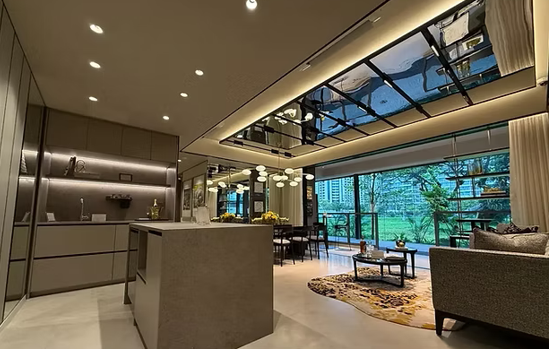
Open-plan living areas have become a common feature, allowing for greater flexibility in how spaces are used. Kitchens, dining areas, and living rooms are often integrated to create a seamless flow, making homes feel more spacious. This approach is especially appealing in urban environments where maximizing usable space is essential.
Sustainability has also become an important consideration in modern design. Many developments now incorporate energy-efficient systems, natural ventilation, and eco-friendly materials. Green spaces within residential projects are carefully planned to provide residents with a sense of tranquility while promoting environmental responsibility.
Rental Demand in Emerging Neighborhoods
Rental demand in emerging residential neighborhoods has shown steady growth as more tenants explore alternatives beyond central districts. With improved connectivity and expanding amenities, these areas are becoming increasingly attractive to a wide range of renters, including young professionals, expatriates, and small families. This shift reflects changing priorities, where convenience and lifestyle are valued alongside affordability.
One of the main drivers of rental demand is accessibility. Developments located near MRT stations or major transport routes offer tenants the ability to commute efficiently while enjoying a quieter living environment. This balance is particularly appealing to individuals who work in busy commercial hubs but prefer to return to a more relaxed residential setting.
Amenities also play a significant role in attracting tenants. Access to shopping centers, dining options, parks, and recreational facilities enhances the overall living experience. Emerging neighborhoods are often designed with these features in mind, creating self-sufficient communities that meet daily needs without requiring long travel distances.
From an investment perspective, steady rental demand supports consistent income potential. As more people recognize the advantages of these locations, occupancy rates are likely to remain stable. This makes emerging districts an appealing choice for investors seeking reliable returns while benefiting from the long-term appreciation associated with ongoing development and infrastructure improvements.
Risks and Considerations for Buyers
While emerging residential districts offer promising opportunities, buyers should also consider potential risks before making a decision. One of the primary concerns is the uncertainty surrounding development timelines. Projects in newer areas may take time to reach full maturity, which means that surrounding amenities and infrastructure might not be immediately available.
Market fluctuations are another important factor to keep in mind. Property values can be influenced by economic conditions, interest rates, and broader market trends. Buyers who enter the market during periods of uncertainty may experience slower appreciation in the short term. It is essential to adopt a long-term perspective when investing in developing areas.
Construction-related factors should also be carefully evaluated. Delays in project completion or changes in development plans can impact both timelines and expected returns. Conducting thorough research on developers and understanding project details can help mitigate these risks.
Role of Developers in Shaping Communities
Developers play a crucial role in shaping the character and functionality of emerging residential districts. Their approach goes beyond constructing buildings, focusing instead on creating cohesive communities that support modern lifestyles. By carefully planning layouts, amenities, and shared spaces, developers influence how residents interact with their environment and with one another.
One important aspect of community development is the integration of mixed-use elements. Many new projects incorporate retail spaces, dining options, and recreational facilities within or near residential areas. This creates a more convenient living experience, where daily needs can be met without extensive travel. Such planning enhances both comfort and long-term value.
Attention to design and sustainability also reflects the developer’s vision. Green spaces, pedestrian-friendly pathways, and environmentally conscious building practices contribute to a healthier living environment. These features are increasingly important to buyers who prioritize well-being and environmental responsibility in their housing choices.
In addition, developers help establish the identity of a neighborhood. Through consistent design themes and thoughtful planning, they create spaces that feel connected and inviting. As emerging districts continue to grow, the role of developers remains central in ensuring that these areas evolve into vibrant, well-balanced communities that meet the expectations of both residents and investors.
Long-Term Growth Outlook for New Residential Zones
The long-term growth outlook for emerging residential zones in Singapore remains positive, supported by strong urban planning and continuous infrastructure development. As these areas become more established, they are expected to attract a wider range of buyers and investors seeking both livability and value. This gradual maturation contributes to steady demand and potential price appreciation over time.
Government initiatives continue to play a significant role in shaping this outlook. Strategic investments in transportation, education, and community facilities ensure that new districts are well-equipped to support growing populations. These improvements not only enhance daily convenience but also strengthen the overall appeal of the area.
Sustainability is another factor influencing long-term growth. Developments that incorporate eco-friendly design, energy efficiency, and green spaces are likely to remain relevant as environmental awareness increases. Buyers are becoming more conscious of these aspects, making them an important consideration for future property value.
Conclusion
Emerging residential districts are steadily reshaping property investment strategies in Singapore by offering a compelling mix of affordability, connectivity, and lifestyle benefits. As urban planning continues to support decentralized growth, these areas are gaining recognition as viable alternatives to traditional central locations. This shift reflects changing priorities among buyers who are looking beyond established districts.
The expansion of infrastructure has been a key factor in this transformation. Improved transport networks and access to essential amenities have made newer neighborhoods more accessible and convenient. As a result, they are attracting a diverse group of buyers, including young professionals, families, and investors seeking long-term value.
At the same time, modern developments are meeting the evolving expectations of residents. Thoughtful design, sustainability features, and integrated community spaces contribute to a higher quality of living. These elements not only enhance day-to-day comfort but also support the long-term desirability of the property.
