
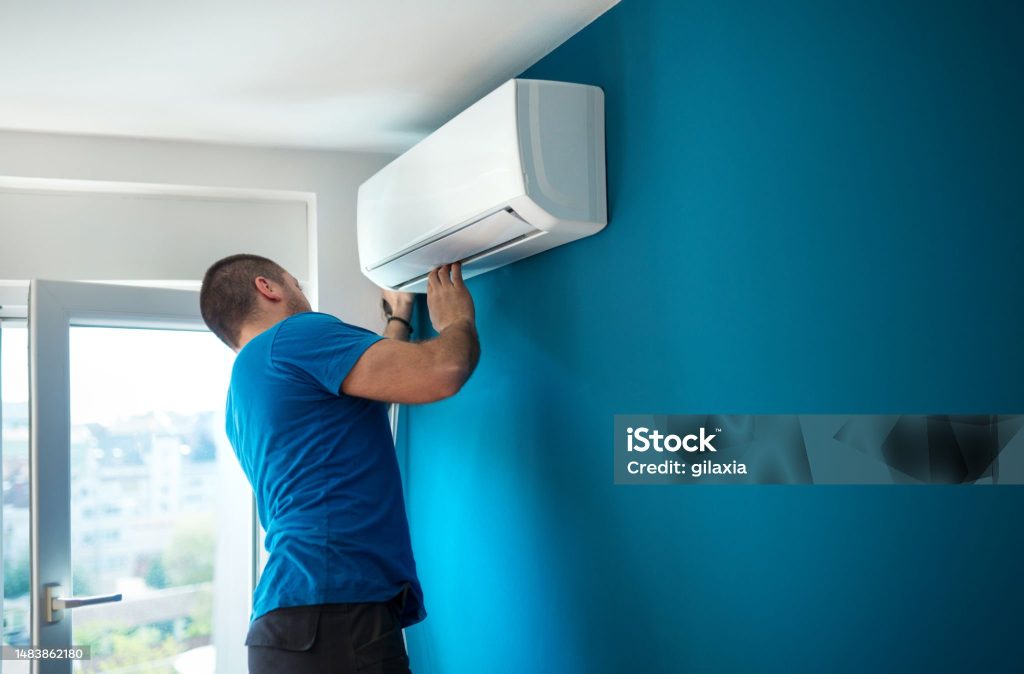
As the scorching heat of summer approaches, many homeowners are faced with a crucial decision: should they repair their old AC unit or invest in a new one? It’s a dilemma that requires careful consideration of various factors to make the best choice for your comfort and budget. In this article, we’ll explore the key points to help you decide whether to repair or replace your AC unit.
Age of the AC Unit
The age of your AC unit is one of the most significant factors to consider when deciding between repair and replacement. Generally, air conditioning units have a lifespan of around 10 to 15 years, depending on their maintenance and usage. If your AC unit is nearing or past this age range, it might be more cost-effective to replace it rather than continually repairing an aging system.
Repair Costs vs. Replacement Costs
When your AC unit malfunctions, the first thing to assess is the cost of repairs versus the cost of a new unit. Minor issues such as a faulty capacitor or a refrigerant leak can often be fixed at a relatively low cost. However, if the repair costs start to accumulate, especially for older units, it may be a sign that investing in a new, energy-efficient model is the better long-term solution.
Energy Efficiency
Energy efficiency is another critical factor to consider, especially with rising energy costs and a growing emphasis on sustainability. Newer AC units are designed to be more energy-efficient, which can lead to significant savings on your utility bills over time. Additionally, many governments offer incentives or rebates for upgrading to energy-efficient appliances, further offsetting the initial investment.
Performance and Comfort
An older AC unit may struggle to maintain consistent cooling or provide adequate comfort, especially during peak summer months. If you find yourself constantly adjusting the thermostat or experiencing uneven cooling throughout your home, it could be a sign that your AC unit is no longer performing optimally. Upgrading to a new unit can improve comfort levels and provide more precise temperature control.
Environmental Impact
Beyond personal comfort and financial considerations, the environmental impact of your AC unit should also be taken into account. Older units may use refrigerants that are harmful to the ozone layer, contributing to environmental damage. Newer AC units are designed to use eco-friendly refrigerants that have a lower impact on the environment, making them a more sustainable choice in the long run.
Long-Term Cost Analysis
When weighing the options between repair and replacement, it’s essential to conduct a long-term cost analysis. Consider not only the upfront costs of a new AC unit but also factor in potential savings on energy bills, reduced repair and maintenance expenses, and any available incentives or rebates. A new, energy-efficient AC unit may prove to be a wise investment that pays for itself over time.
Consultation with HVAC Professionals
Ultimately, the best way to determine whether to repair or replace your AC unit is to consult with HVAC professionals. A qualified technician can assess the condition of your current unit, provide an estimate for repairs, and offer recommendations for replacement if necessary. They can also help you explore options such as financing or payment plans to make the transition more manageable.
Conclusion
In conclusion, the decision to repair or replace your AC unit depends on a combination of factors such as age, repair costs, energy efficiency, performance, environmental impact, and long-term cost analysis. While repairs may be suitable for minor issues or newer units, older systems with frequent breakdowns or declining performance often warrant replacement. Consulting with HVAC experts can provide valuable insights to guide you toward the best decision for your home comfort and budget.
