
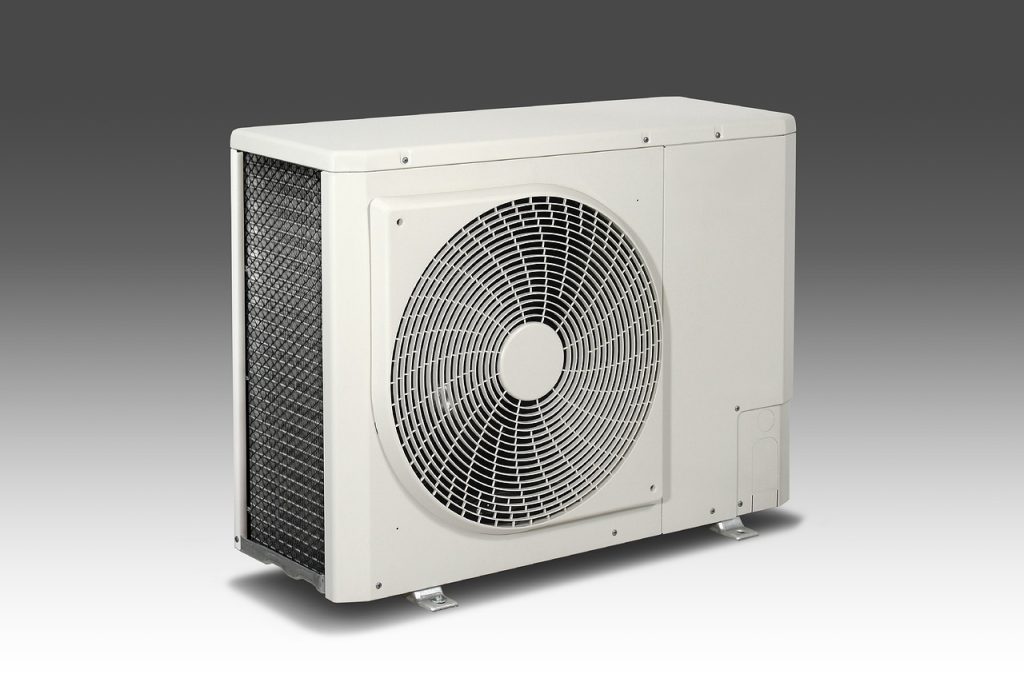
Your air conditioning (AC) unit is a crucial part of maintaining comfort in your home, especially during the hot summer months. When it breaks down, it can be a major inconvenience, leaving you wondering whether you should repair it or opt for a replacement. In this article, we’ll discuss key factors to consider when faced with a broken AC unit, helping you make an informed decision.
Evaluating the Severity of the Issue
The first step in deciding whether to repair your AC is to assess the severity of the problem. Minor issues such as a clogged filter, a malfunctioning thermostat, or a small refrigerant leak can often be fixed relatively easily and cost-effectively. On the other hand, major problems like a faulty compressor or a damaged condenser coil may require more extensive repairs or even a complete replacement.
Age of the AC Unit
Another crucial factor to consider is the age of your AC unit. Most air conditioners have a lifespan of around 10 to 15 years. If your unit is nearing the end of its expected lifespan and requires significant repairs, you may want to weigh the cost of repairs against the potential benefits of investing in a new, more energy-efficient system.
Cost of Repairs vs. Replacement
When deciding whether to repair or replace your AC, it’s essential to consider the cost implications of each option. In some cases, especially if the repair is minor and relatively inexpensive, opting for a repair may make sense. However, if the cost of repairs is substantial or if your AC unit is old and inefficient, investing in a new system could save you money in the long run through improved energy efficiency and reduced maintenance costs.
Energy Efficiency
Energy efficiency is another critical factor to consider when evaluating whether to repair or replace your AC unit. Older air conditioners are typically less energy-efficient than newer models, which can lead to higher energy bills. By upgrading to a newer, more efficient unit, you can not only enjoy improved cooling performance but also save money on your monthly utility costs.
Environmental Impact
In addition to energy efficiency, the environmental impact of your AC unit is worth considering. Older systems may use refrigerants that are harmful to the environment, such as R-22 (Freon), which is being phased out due to its ozone-depleting properties. Newer AC units use more environmentally friendly refrigerants, making them a greener choice for eco-conscious homeowners.
Comfort and Convenience
Finally, consider the impact of a broken AC unit on your comfort and convenience. A malfunctioning air conditioner can make your home uncomfortable, especially during extreme weather conditions. If repairs can restore your AC to optimal functioning and ensure your comfort, it may be worth investing in repairs. However, if frequent breakdowns and repairs are becoming a hassle, replacing your AC with a newer, more reliable system could provide long-term peace of mind.
Conclusion
Deciding whether to repair or replace your broken AC unit depends on various factors, including the severity of the issue, the age of the unit, cost considerations, energy efficiency, environmental impact, and your comfort and convenience. It’s essential to weigh these factors carefully and consult with HVAC professionals to determine the best course of action for your specific situation. By making an informed decision, you can ensure efficient cooling and comfort in your home while maximizing energy savings and minimizing environmental impact.
