
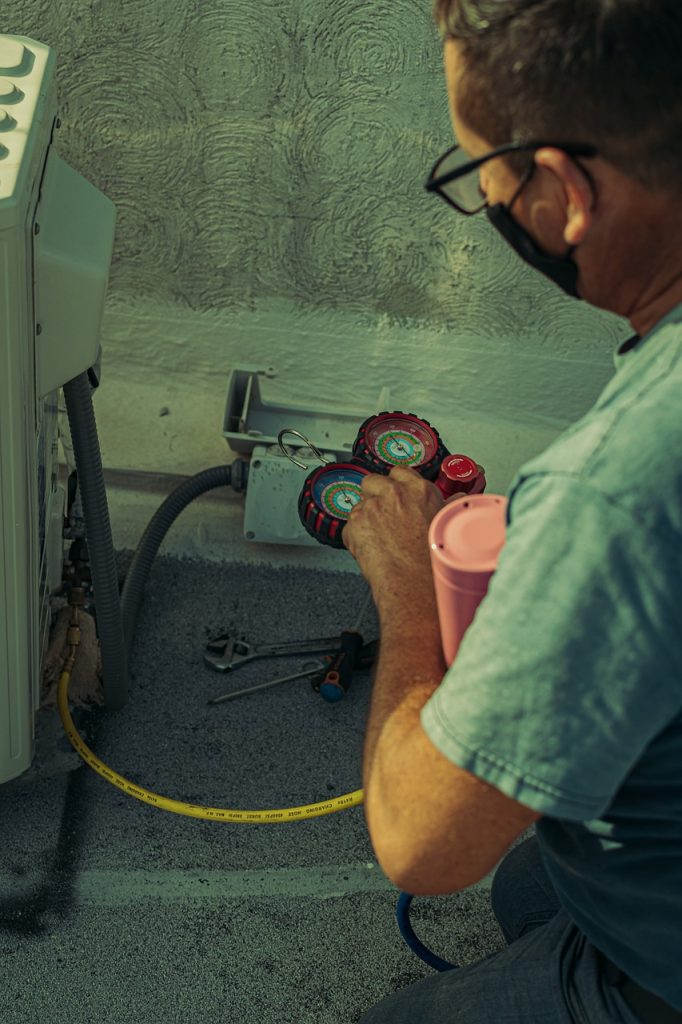
Installing an air conditioning (AC) system is a significant investment for any homeowner or business. The cost of AC installation can vary widely depending on several factors, including the type of AC unit, the size of the space to be cooled, the complexity of the installation, and regional differences in labor and material costs. In this article, we’ll explore these factors in detail, provide tips for managing AC installation costs, and discuss the importance of professional installation.
Factors Affecting AC Installation Costs
- Type of AC Unit: The type of AC unit you choose will greatly impact the installation cost. Common options include central air conditioning systems, ductless mini-split systems, and window units. Central AC systems tend to be the most expensive to install due to the extensive ductwork required, while ductless mini-split systems are more affordable and versatile for smaller spaces.
- Size of the Space: The size of the space you want to cool is another crucial factor. Larger spaces require more powerful AC units, which can drive up installation costs. HVAC professionals typically calculate cooling capacity in British Thermal Units (BTUs) per hour, with larger spaces requiring higher BTU ratings.
- Complexity of Installation: The complexity of the installation plays a significant role in determining costs. For example, installing a central AC system in a home that has existing ductwork is generally less complex and therefore less expensive than retrofitting ductwork or installing a ductless system from scratch.
- Energy Efficiency: While energy-efficient AC units may have a higher upfront cost, they can lead to long-term savings on energy bills. Consider investing in an Energy Star-rated unit to reduce your overall cooling costs over time.
- Labor and Material Costs: Labor costs can vary depending on the region, the HVAC contractor’s experience, and the scope of the project. Additionally, the cost of materials such as ductwork, refrigerant, and electrical components will contribute to the total installation cost.
Tips for Managing AC Installation Costs
- Research and Compare Quotes: Before committing to an AC installation, research multiple HVAC contractors and request detailed quotes. Compare pricing, services offered, warranties, and customer reviews to make an informed decision.
- Choose the Right Size Unit: An oversized or undersized AC unit can lead to inefficiencies and higher energy bills. Work with an HVAC professional to determine the correct size unit for your space based on factors like square footage, insulation, and climate.
- Consider Energy Efficiency: While it may require a higher initial investment, choosing an energy-efficient AC unit can save you money on utility bills in the long run. Look for units with high SEER (Seasonal Energy Efficiency Ratio) ratings for optimal efficiency.
- Schedule Installation During Off-Peak Seasons: HVAC companies often have higher demand during peak seasons, which can lead to higher installation costs. Consider scheduling your AC installation during the off-peak seasons to take advantage of potential discounts or promotions.
- Explore Financing Options: If the upfront cost of AC installation is a concern, inquire about financing options or payment plans offered by HVAC companies. Many companies offer flexible payment options to help make the investment more manageable.
Importance of Professional Installation
While DIY AC installation may seem like a cost-saving measure, it can lead to costly mistakes and potential safety hazards. Professional HVAC installation offers several benefits:
- Expertise and Experience: HVAC professionals have the knowledge and experience to properly size, install, and calibrate AC systems for optimal performance.
- Safety and Compliance: Professional installers adhere to safety standards and building codes, ensuring that your AC system is installed safely and in compliance with regulations.
- Warranty Protection: Many AC manufacturers require professional installation to validate warranties. Professional installation ensures that your unit is covered in case of malfunctions or defects.
- Long-Term Performance: Proper installation by professionals can maximize the lifespan and efficiency of your AC system, reducing the need for costly repairs or replacements down the line.
In conclusion, the cost of AC installation can vary based on several factors, including the type of unit, size of the space, complexity of installation, energy efficiency, and labor/material costs. By researching, comparing quotes, choosing the right size unit, considering energy efficiency, scheduling installation during off-peak seasons, and opting for professional installation, homeowners and businesses can manage AC installation costs effectively while ensuring optimal cooling comfort and performance.
